Physical Address
Starlets Road, P.O. Box M 326, Accra, Ghana
Physical Address
Starlets Road, P.O. Box M 326, Accra, Ghana
ANTALYA, Türkiye, Nov. 6 – AGN – As COP31 gets under way, lead negotiators of the African Group of Negotiators (AGN) say the summit will be judged on one question: do commitments already made become technology, money, energy and protection for the people who need them?
Across technology, finance, mitigation, carbon markets and health, the AGN’s lead voices described the same challenge. Africa has helped shape the decisions. It now wants them delivered.
Technology that reaches rural communities
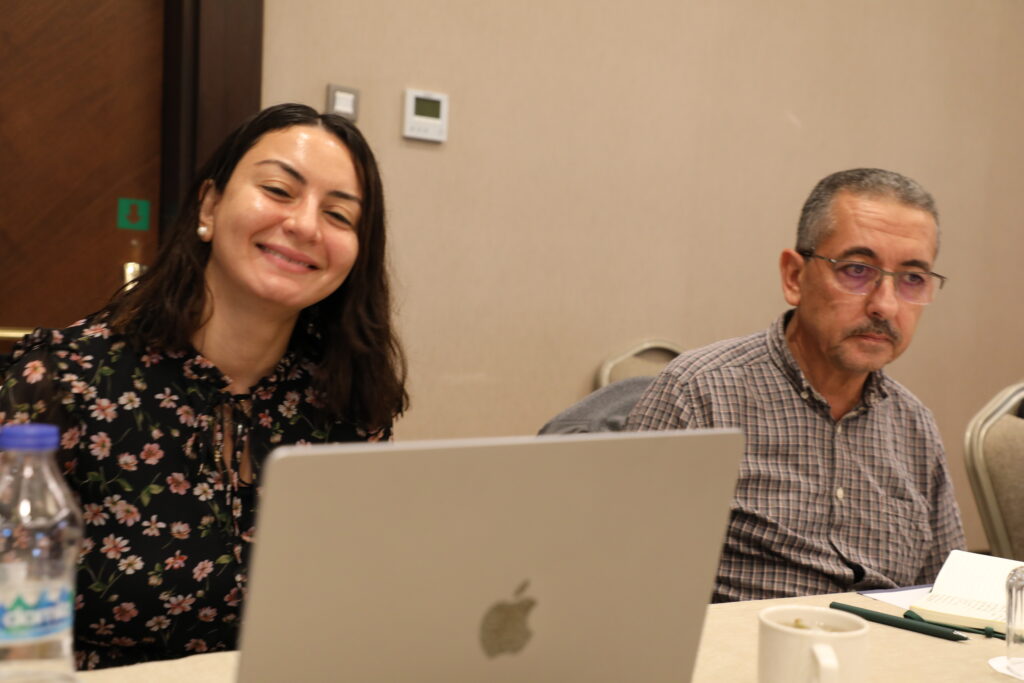
For Omedi Jura, AGN’s lead coordinator on technology development and transfer, who also leads on the issue for Kenya, Antalya is expected to be a turning point in how climate technology reaches developing countries.
He pointed to the Climate Technology Centre and Network (CTCN), the implementation arm of the Technology Mechanism, which helps countries, on request, to package their technology needs so they can get a response. Where developing countries have assessed those needs, water and agriculture have come first, he said.
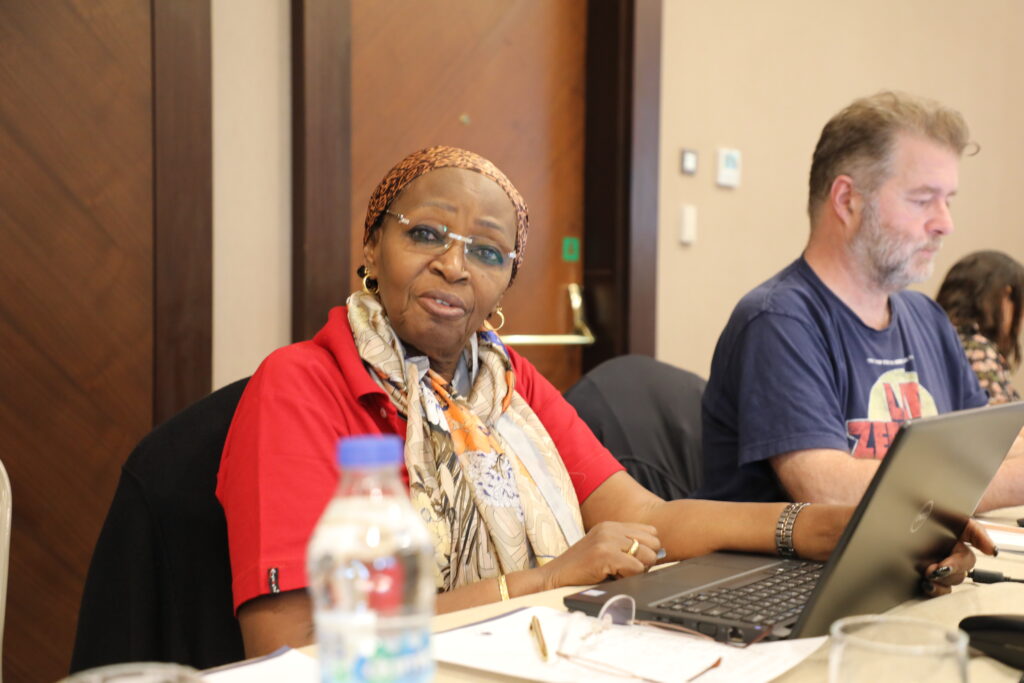
Each request should be met so that rural communities benefit from technology that is low-emission and climate-resilient, “not technology that is destructive”. He added that the group expects the Technology Mechanism to favour technology development and transfer for developing countries under both the Convention and the Paris Agreement.
“We are developing countries, and technology is very important as far as development is concerned,” he said.
Money: the missing baseline
Technology costs money, and that is where Julius Mbatia, a climate finance negotiator with the AGN, places the biggest gap. Countries agreed at COP30 that developed countries should lead in tripling adaptation finance, but the decision set no baseline and no way of delivering it.
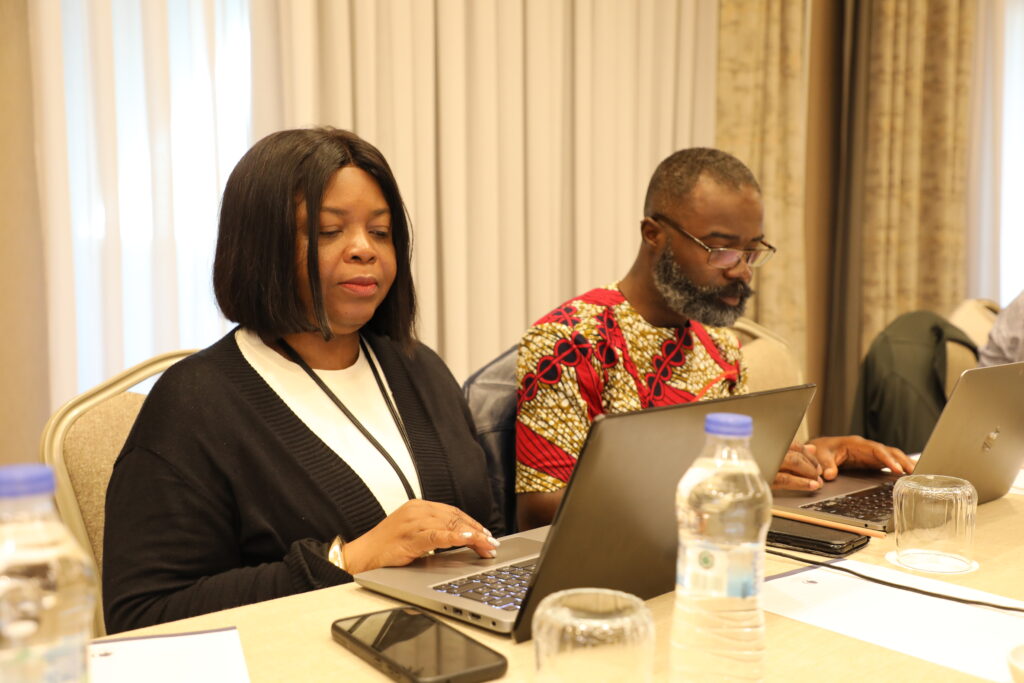
Africa’s adaptation finance needs stand at 350 billion dollars a year, he noted, and private finance, though welcome, comes with conditions rather than responsibility. He said the climate finance work programme agreed at COP30 should not revisit settled issues such as the New Collective Quantified Goal (NCQG) agreed in Baku. It should resolve developed countries’ legal obligation to provide finance and how it will be met.
“You cannot mobilise climate finance if you do not have the requisite provision,” he said. For Africa, resources to live in a changing climate are “a matter of survival”, since the continent contributed, and still contributes, the least to the crisis.
“We did not set a baseline for the tripling of adaptation finance,” he said. Africa needs to know what is being tripled, from what level, and how the money will be delivered through 2035, including whether new targets will be set.
Energy: mitigation as development
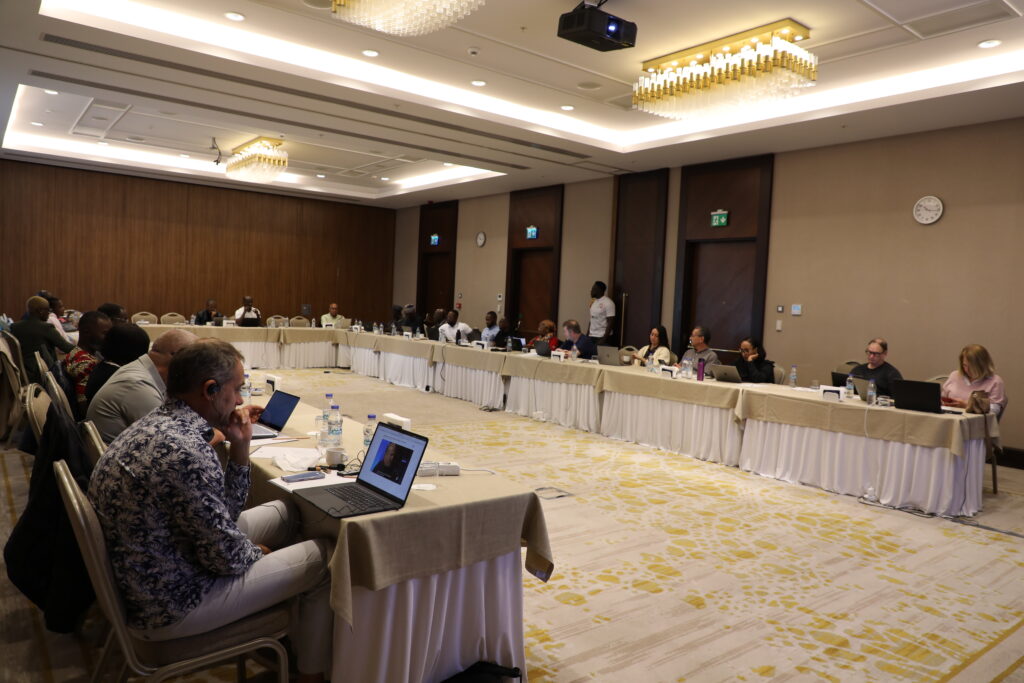
The same gap shows up in energy. Veronica Jakarasi, the AGN’s lead negotiator for mitigation, said developed countries must keep taking the lead, noting that the world is already in overshoot of the temperature goal, which means more extreme impacts and more loss and damage for Africa.
“We have over 600 million people without access to sustainable energy,” she said. Several countries still rely on coal and need support to transition, so finance for a just transition is essential. She wants the mitigation work programme to continue, with dialogues and investment events leading to lasting support for quality, bankable projects, not one-off funding.
“For Africa, mitigation is also a sustainable development issue,” she said. It means energy for marginalised and vulnerable communities, and better adaptation and food production through measures such as solar-powered irrigation.
Carbon markets: projects that serve people
Some of that finance may come through carbon markets. El Hadji Mbaye Diagne, AGN lead coordinator on carbon markets under Article 6 of the Paris Agreement, said the provision lets countries cooperate and use the results to meet their Nationally Determined Contributions (NDCs).
For Africa, he said, it can fund projects that cut emissions while supporting adaptation and sustainable development, and that would not happen without carbon-market support. He cited renewable energy, efficient cookstoves, methane capture from landfills to generate electricity, water-saving rice production and agroforestry.
Africa’s priorities are that projects meet national development goals, that emission reductions are real and of high environmental integrity, that double counting is avoided, and that benefits are shared fairly among communities, governments and buyers. Antalya will include sessions reviewing the cooperation mechanisms, and talks on non-market approaches, which bring adaptation, funding and capacity-building benefits without transferring emission reductions.
Health: a human face
Behind each of these issues is a person’s health. Dr Ama Essel, AGN lead coordinator on climate change and health, said the negotiations “should have a human face”. Health is mentioned in the Convention, the Kyoto Protocol and the Paris Agreement, she said, but it has entered the talks only gradually, through health indicators under the Global Goal on Adaptation and under non-economic losses in loss and damage.
Health should be more fully integrated, not treated as an add-on, she said. A just transition cannot be discussed without a strong health voice on its impacts on people, and health should also run through adaptation work and carbon-market discussions.
The measure of success
The AGN Chair, Nana Dr. Antwi-Boasiako Amoah, set the standard at the strategy meeting in Nairobi last month. Africa, he said, is “not asking for charity” but for a financial architecture that responds fairly to a problem in which responsibility and vulnerability are profoundly unequal.
“Success in Antalya will not be measured by how often Africa speaks,” he said, “but by how effectively Africa shapes the outcome.”
END/AGN