Physical Address
Starlets Road, P.O. Box M 326, Accra, Ghana
Physical Address
Starlets Road, P.O. Box M 326, Accra, Ghana
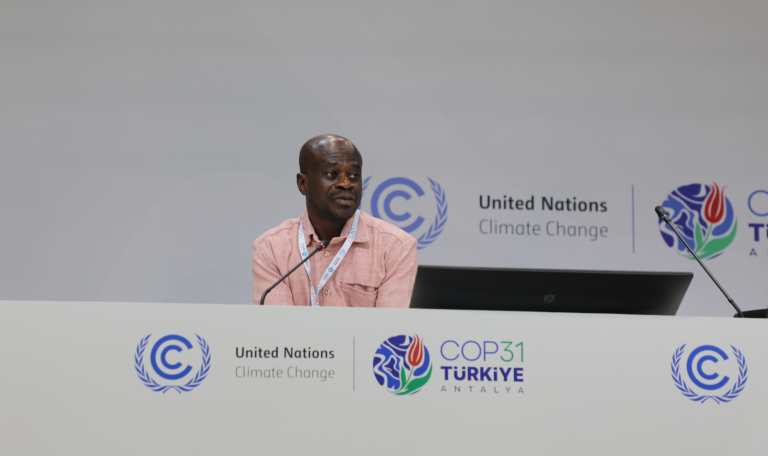
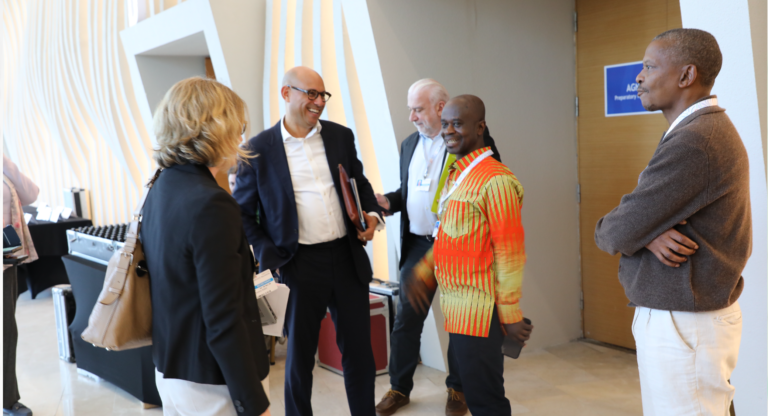
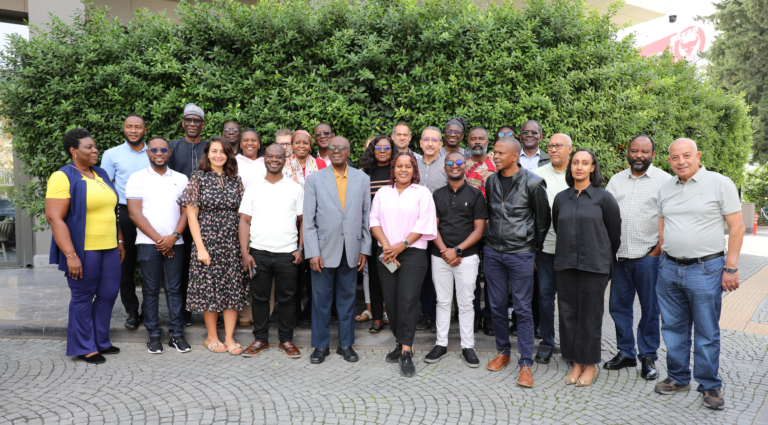
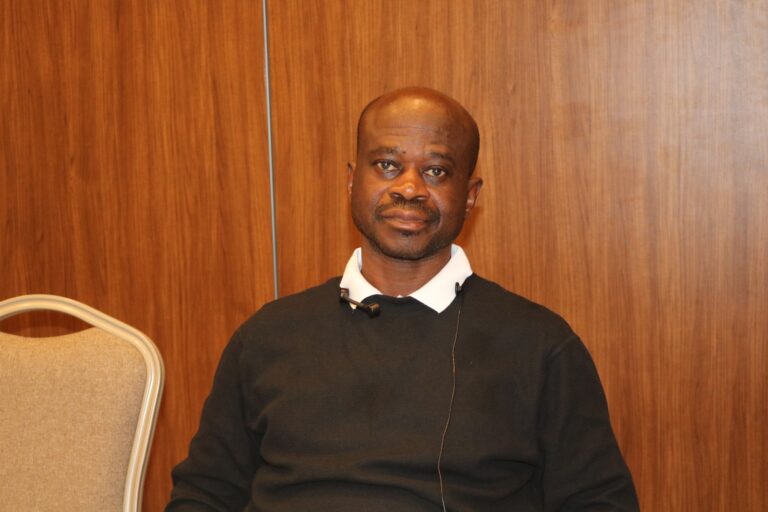
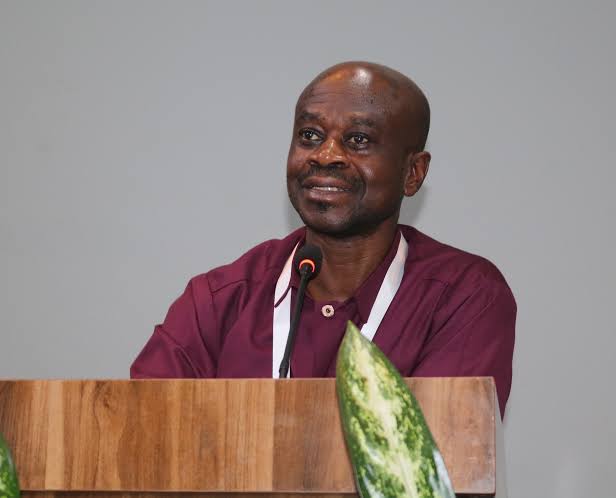
Antalya , Türkiye – AGN-The Chair of the African Group of Negotiators on Climate Change (AGN), Nana Dr Antwi-Boasiako Amoah, has engaged a delegation of African children and their representatives at COP31, reaffirming the importance of creating meaningful opportunities for children to participate in climate policy discussions and negotiations.
The engagement provided a platform for the children to share their concerns about climate change, their experience at the conference and the challenges they face in following and contributing to highly technical negotiations.
Dr Amoah commended the organisations and leaders supporting the delegation, describing their presence at COP31 as evidence of progress towards a more inclusive climate process.
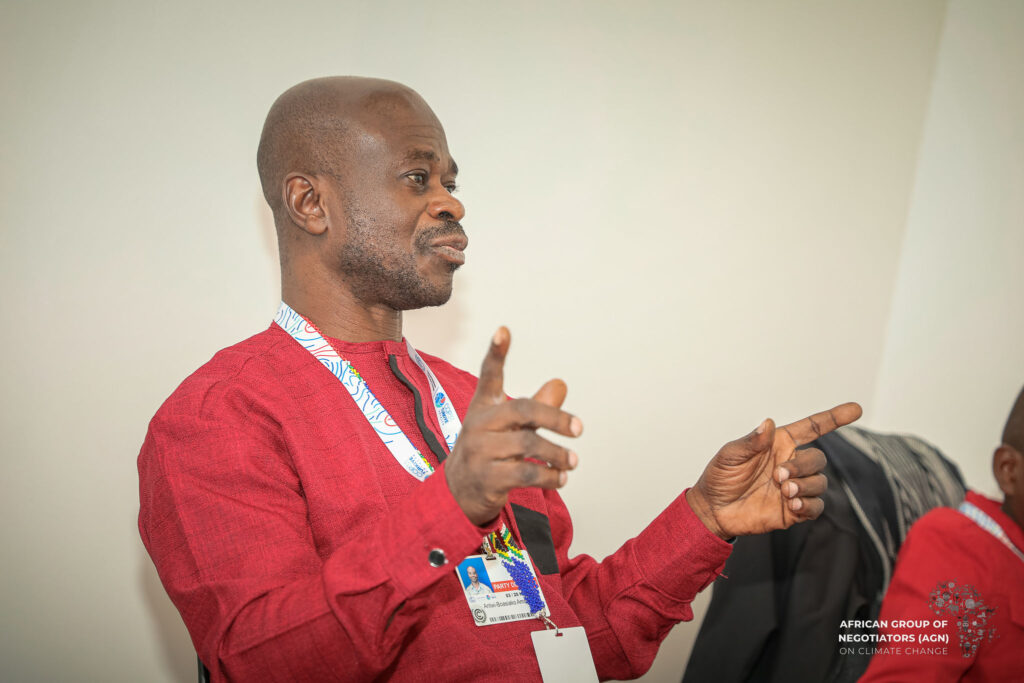
He noted that participation by children and young people had grown since COP28 and encouraged them to view their involvement as part of a transition in which younger generations learn alongside experienced negotiators and gradually take on greater responsibilities.
Making negotiations accessible to children
Acknowledging the technical nature of the UN climate negotiations, the AGN Chair explained that discussions were built on years of decisions, agreements and specialist contributions. Negotiators, lawyers and experts from different fields often used language that could be difficult for people unfamiliar with the process to understand.
He said this should not discourage children from participating. Rather, it highlighted the need to make the outcomes of complex discussions easier for younger audiences to understand.
The Chair welcomed the proposal for the AGN to explore ways of translating negotiation outcomes into accessible information for children and young people. He also indicated that discussions with the children’s leadership would help identify practical ways to strengthen their participation.
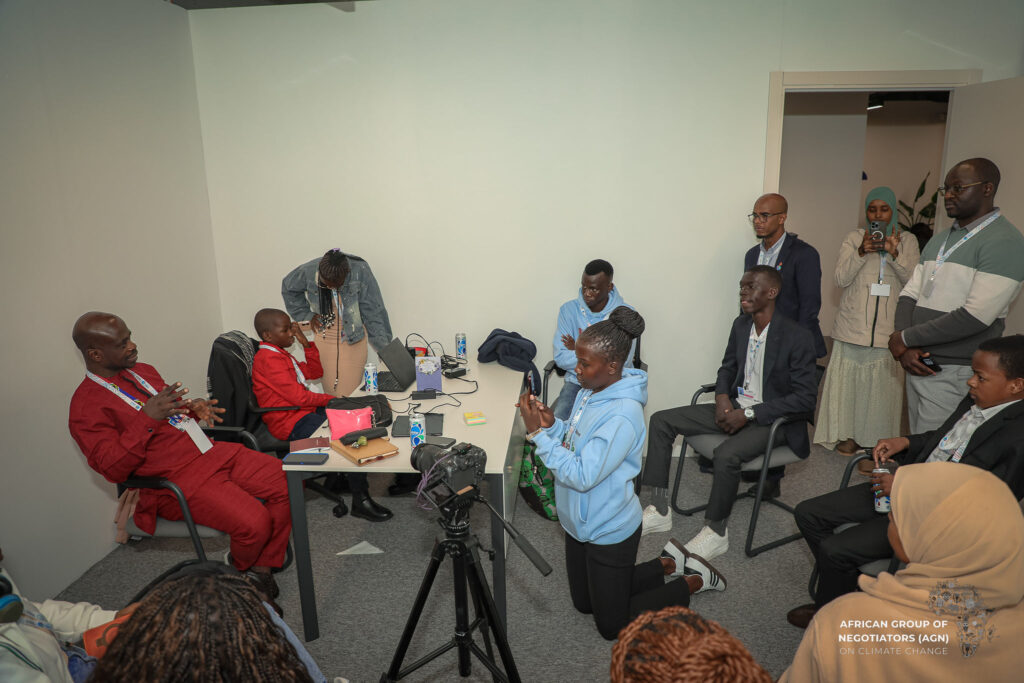
As an immediate opportunity for engagement, Dr Amoah invited the delegation to attend the AGN’s daily coordination meetings, where African negotiators receive updates on discussions across the different negotiation rooms.
He proposed that the children be formally introduced to the group and that a representative be given an opportunity to address the negotiators and share the delegation’s concerns.
He further encouraged engagement with national climate focal points and governments, stressing that meaningful participation should extend beyond international conferences and be strengthened at country level.
Building partnerships for youth engagement
The AGN Chair highlighted ongoing efforts to strengthen the group’s youth engagement structures. He disclosed that the AGN was preparing to sign a Memorandum of Understanding with South Korean partners to facilitate youth engagement on climate change between Africa and South Korea.
He also identified the United Nations Children’s Fund (UNICEF) as a potential partner in advancing children’s participation and said the AGN would explore opportunities for collaboration.
Dr Amoah said the concerns raised by the delegation, including the need for children to be recognised, supported and given space in decision-making, would remain part of the group’s engagement.
He also expressed interest in sustaining the relationship through virtual meetings after COP31 and exploring ways to bring children’s perspectives to the attention of African leaders.
Placing children’s rights at the centre of climate action
Mr Mwila Malama, Leader of Child Parliamentarians, outlined the importance of integrating children’s rights into climate negotiations and national climate commitments.
He explained that the African Charter on the Rights and Welfare of the Child, signed by 52 African countries, provided a continental framework for protecting children’s rights and wellbeing.
With Africa’s median age at 19, he said, children and young people represented a significant part of the continent’s population and would live with the long-term consequences of decisions being taken today.
Malama called attention to the need for children’s concerns to be reflected in the outcome documents of climate negotiations and in the commitments made by African governments.
The representative also recalled the expert dialogue on children and climate change that followed a decision taken at COP28. While the dialogue had taken place, he said further engagement was needed to ensure that its outcomes informed subsequent discussions.
He explained that the delegation had been supported to obtain party badges, allowing the children to participate as members of their countries’ delegations rather than being restricted to observer access.
For the AGN, the next step is to build on the engagement through regular dialogue, accessible information and stronger links between children, national representatives and African climate negotiators.
AGN/END