Physical Address
Starlets Road, P.O. Box M 326, Accra, Ghana
Physical Address
Starlets Road, P.O. Box M 326, Accra, Ghana
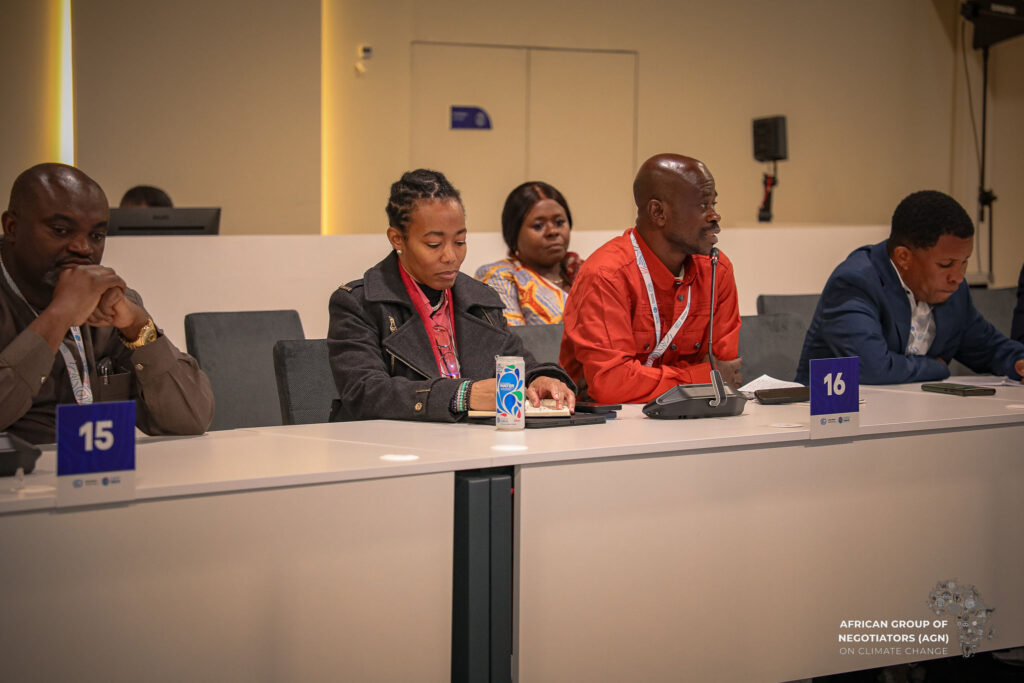
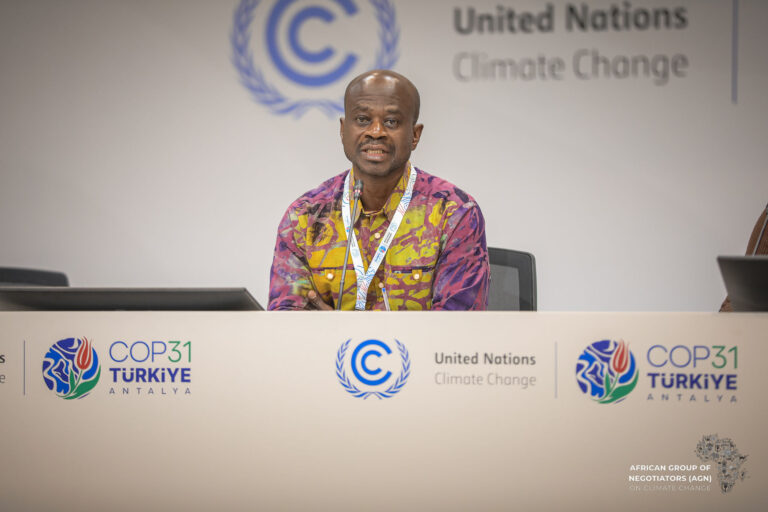
Antalya, Nov. 18, AGN – The African Group of Negotiators (AGN) has reaffirmed its commitment to securing ambitious, equitable and implementable outcomes at COP31 as negotiations enter a decisive phase in Antalya, Türkiye.
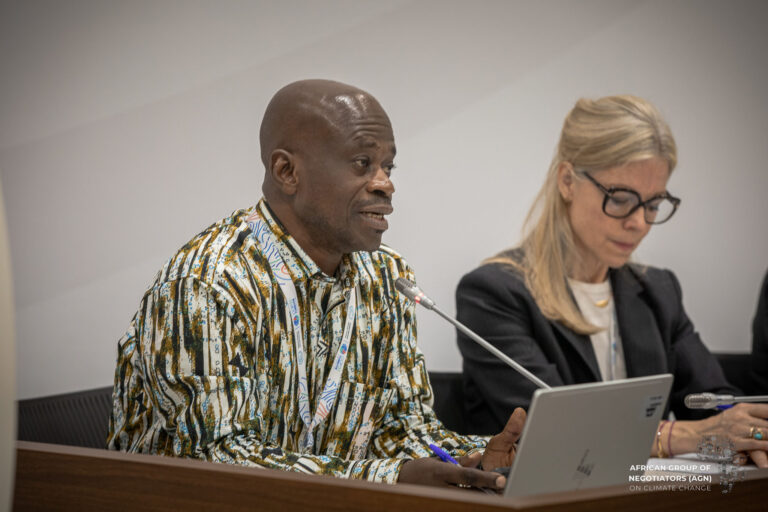
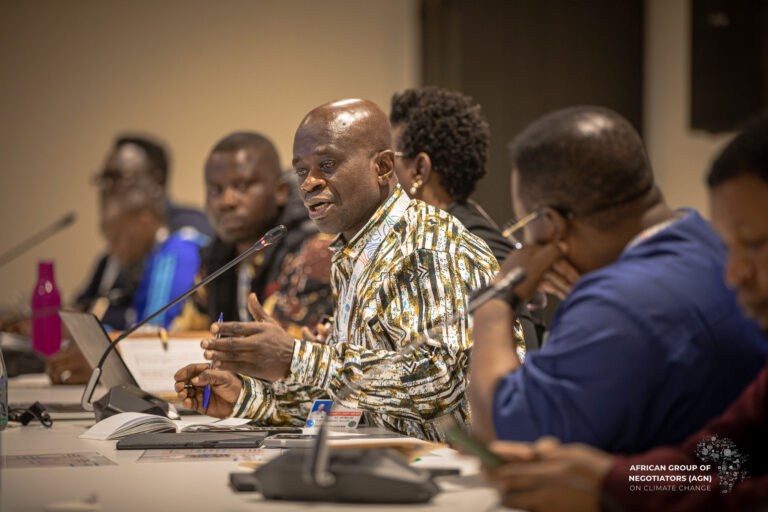
Providing an assessment of the negotiations, AGN Chair Nana Dr. Antwi-Boasiako Amoah emphasised the importance of maintaining political momentum, addressing outstanding areas of disagreement and ensuring that the final outcomes reflect the priorities and development realities of African countries.
Dr. Amoah stressed that meaningful progress requires more than continued dialogue, adding that it demands political commitment, constructive engagement among Parties and clear decisions capable of translating climate ambition into implementation.
“The journey starts now, but the fight isn’t over,” he said, underscoring the need for sustained engagement beyond the immediate negotiations.
Climate finance remains a central priority
Climate finance continues to be among the most challenging areas of negotiation, with the AGN maintaining that the obligations of developed countries under Article 9 of the Paris Agreement must remain central to discussions on the provision and mobilisation of financial resources.
The Group emphasised that developing countries face enormous financial requirements to implement their Nationally Determined Contributions (NDCs), adaptation plans and broader climate-resilient development strategies.
These requirements are increasing as climate impacts intensify, while access to adequate, predictable and affordable finance remains a persistent challenge.
Against this background, the AGN is advocating for stronger implementation of developed countries’ climate finance commitments, including the provision of grant-based and highly concessional resources.
The Group also highlighted the importance of maintaining a clear distinction between Article 9 and Article 2.1(c) of the Paris Agreement.
While Article 9 addresses financial support obligations of developed countries to developing countries, Article 2.1(c) concerns making financial flows consistent with pathways towards low greenhouse gas emissions and climate-resilient development.
The AGN’s position is that discussions on broader financial system reforms should complement, rather than substitute for, developed countries’ obligations to provide climate finance.
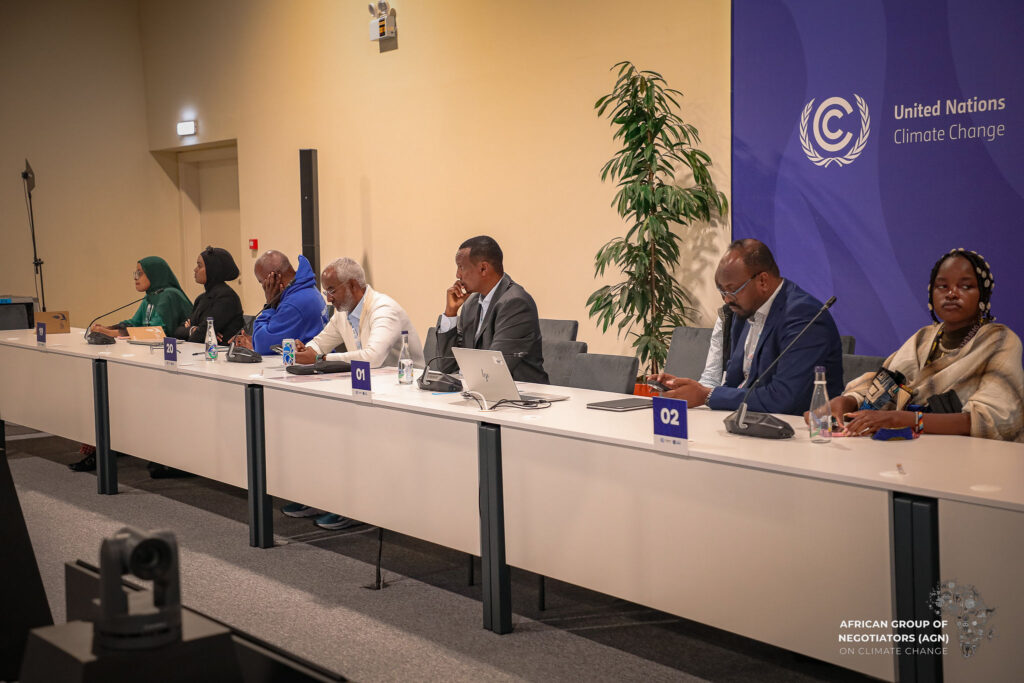
Related issues, including debt, trade and national financial frameworks, also require attention through appropriate processes, without weakening commitments under the climate regime.
Rising climate impacts reinforce the urgency of adaptation
The AGN further expressed concern over the increasing likelihood of global temperature overshoot, given the gap between current climate commitments and the level of ambition required to meet the Paris Agreement’s temperature goals.
For Africa, the consequences of inadequate global action are already evident in growing climate-related risks, economic losses and pressures on vulnerable communities.
The Group emphasised that discussions on temperature overshoot must be accompanied by serious consideration of its implications for adaptation, financing and the costs of responding to climate impacts.
Africa’s position is that countries already facing disproportionate climate impacts require stronger international support to build resilience and protect development gains.
This includes greater attention to adaptation financing, the implementation of national adaptation priorities and the strengthening of institutional capacities to respond to climate-related risks.
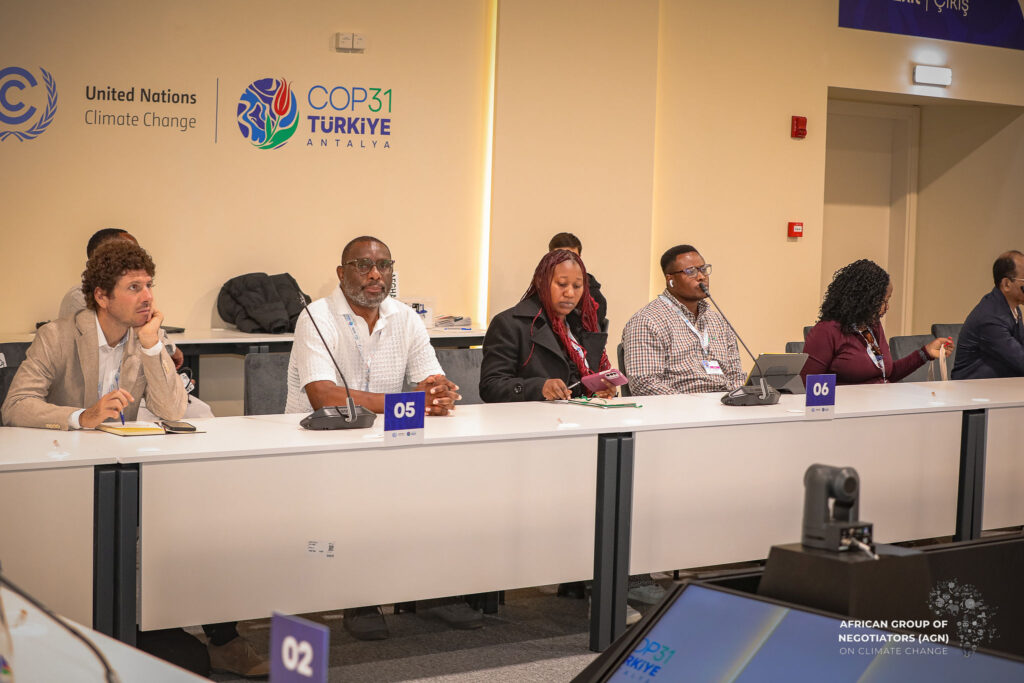
Just transition must be fair, inclusive and adequately financed
Just transition is another critical negotiating priority for the African Group.
The AGN stressed that transition pathways must reflect the different national circumstances, development priorities and capacities of countries, particularly those in Africa.
The Group expressed concern that approaches which fail to adequately recognise developing countries’ needs and means of implementation could undermine the fairness and effectiveness of the transition.
For Africa, a just transition must go beyond emissions reduction to encompass adaptation, social protection, economic opportunities, equity and sustainable development.
Adequate financing, technology development and transfer, and capacity-building remain essential to ensuring that developing countries can pursue climate action without compromising their legitimate development aspirations.
The AGN therefore continues to advocate for a balanced and inclusive outcome that places fairness and the needs of developing countries at the centre of the just transition agenda.
Africa calls for political commitment and meaningful progress
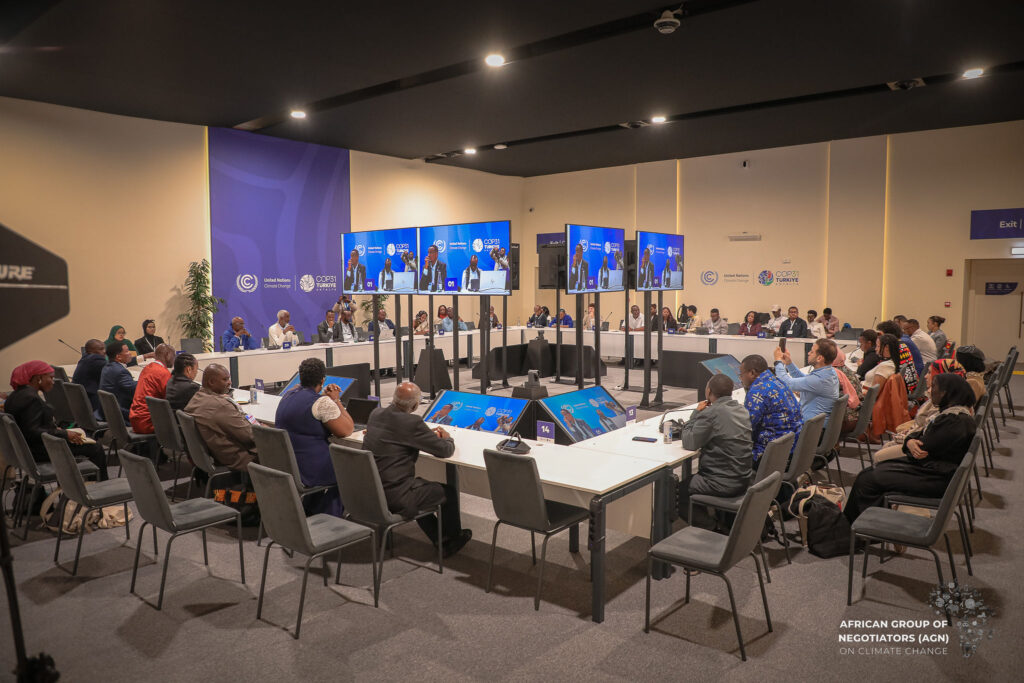
As COP31 negotiations progress and in a critical phase, the AGN has underscored the importance of engaging the appropriate political and technical stakeholders to resolve outstanding issues.
The Group maintains that successful negotiations must be measured not merely by the adoption of decisions, but by whether those decisions create credible pathways for implementation.
Africa remains committed to constructive engagement, while insisting that the final outcomes address the continent’s priorities, particularly climate finance, adaptation, just transition and the means of implementation.
For Africa, a successful COP31 must deliver more than negotiated language. It must advance climate justice, strengthen international cooperation and create tangible opportunities for climate-resilient and sustainable development.
AGN/END