Physical Address
Starlets Road, P.O. Box M 326, Accra, Ghana
Physical Address
Starlets Road, P.O. Box M 326, Accra, Ghana
Antalya, Nov. 13, AGN – African countries and international partners have agreed on a plan to strengthen efforts to address the links between climate change, peace and security, with a focus on ensuring that vulnerable communities are not excluded from climate funding.
The agreement was reached at a high-level dialogue on climate, peace and security in Africa, jointly convened by the African Union Commission (AUC), the United Nations Office to the African Union (UNOAU), the UN Climate Security Mechanism (CSM), the Group of Friends on Climate and Security, and Australia, which holds the COP31 Presidency for Negotiations.
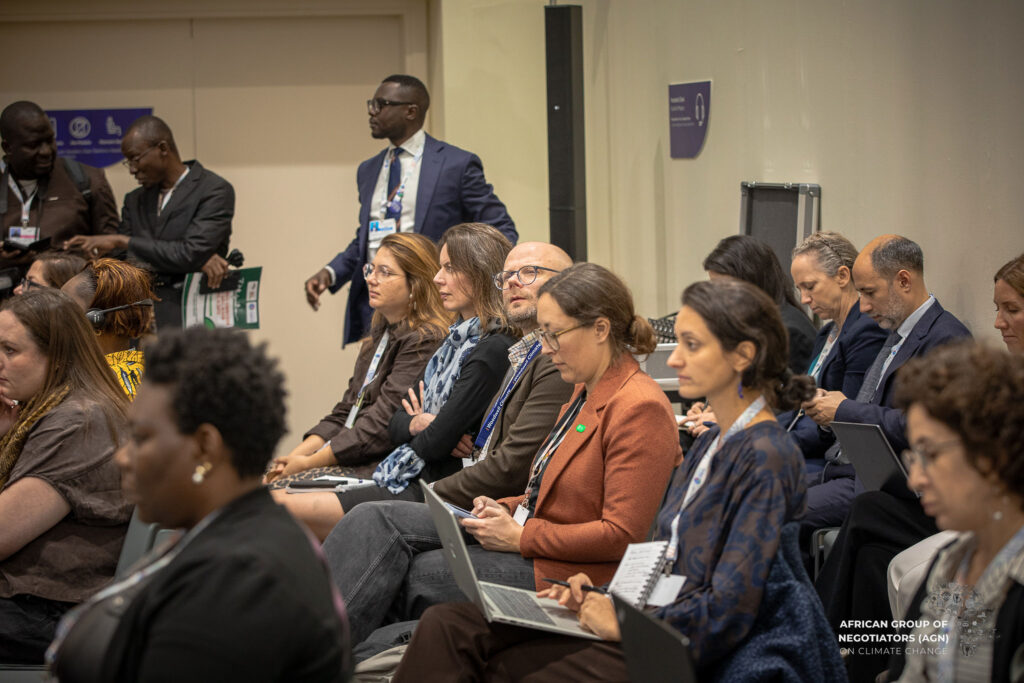
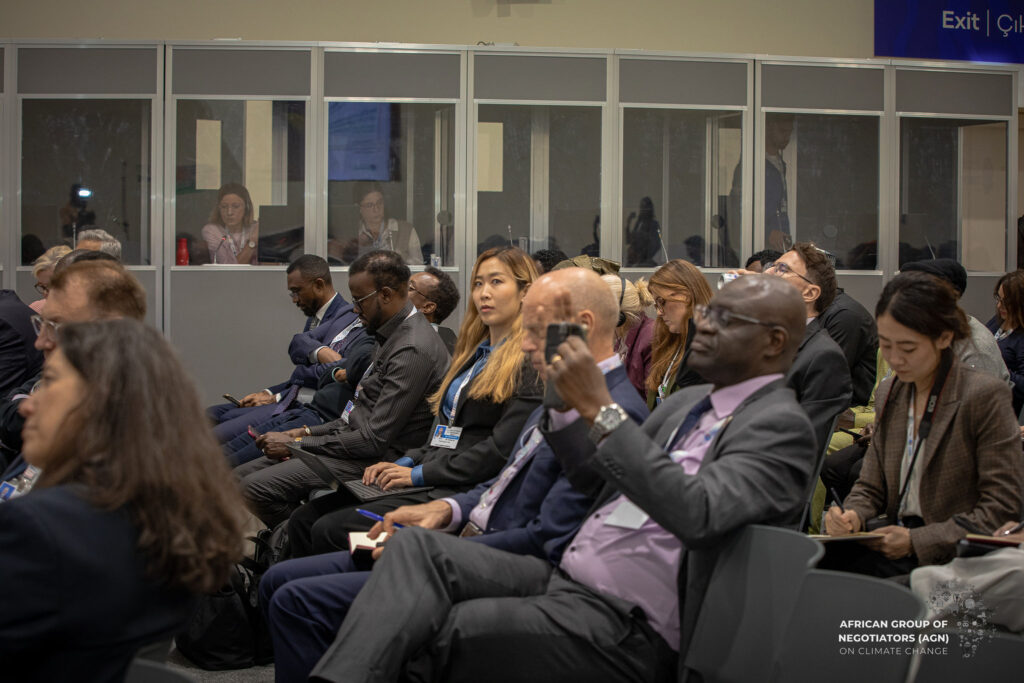
The meeting, held on the margins of the 31st United Nations Climate Change Conference (COP31) in Antalya, Türkiye, on November 13, brought together African government representatives, climate negotiators, regional institutions, UN agencies and international partners.
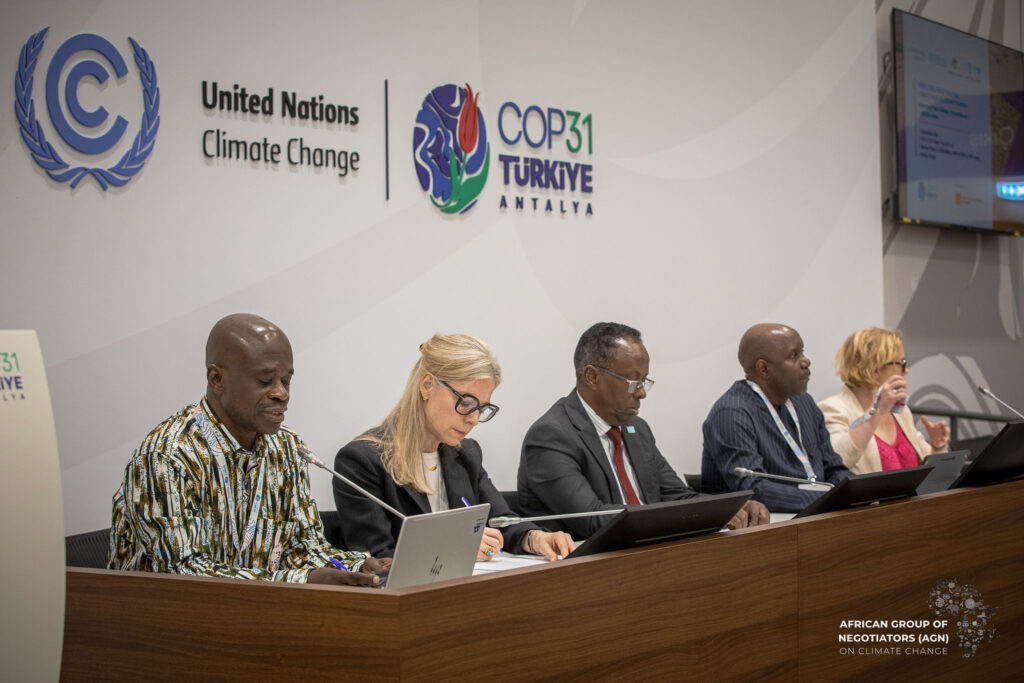
Participants called for stronger African leadership and partnerships to address the combined effects of climate change, conflict and insecurity, particularly in fragile and vulnerable communities.
The dialogue was supported by Denmark and opened with a keynote address by Somalia’s Minister of Agriculture and Irrigation, Mohamed Abdi Hayir (Mareeye).
A major concern raised at the meeting was that countries and communities facing high climate vulnerability, conflict and fragility often encounter difficulties accessing climate finance.
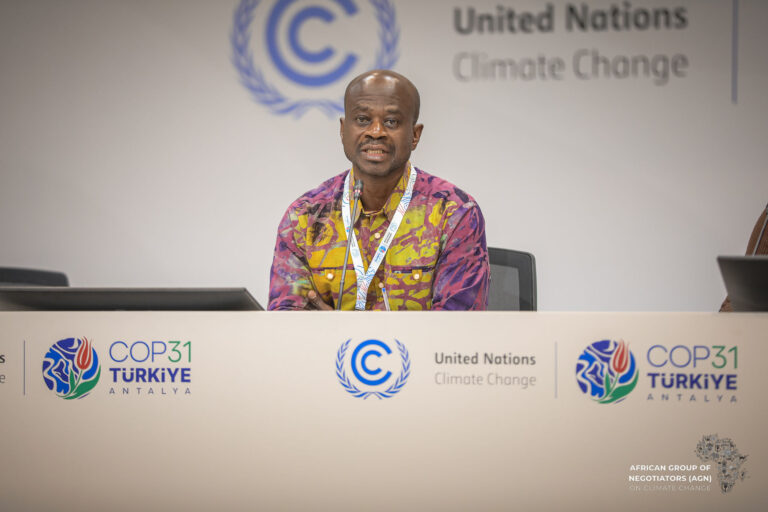
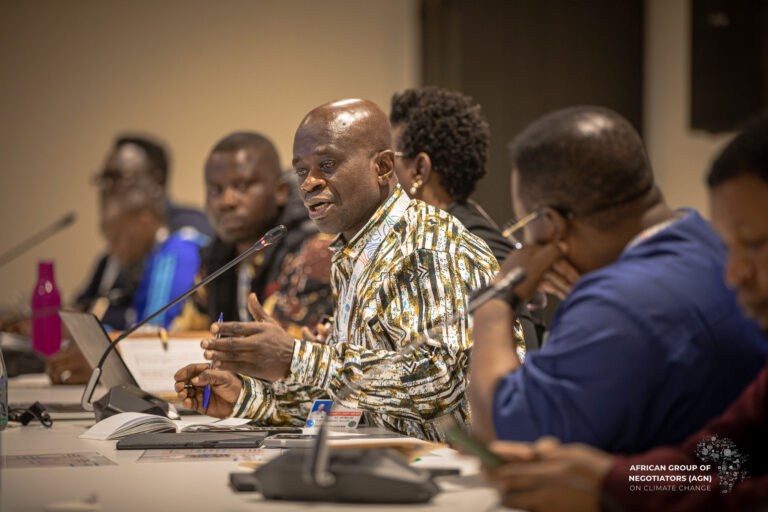
Nana Dr Antwi-Boasiako Amoah, Chair of African Group of Negotiators said climate change is worsening peace and security challenges in Africa, with competition over land and water, displacement and pressure on livelihoods increasing the vulnerability of communities, experts have warned.
He noted that the effects of climate change were adding to existing social and economic difficulties, particularly in countries with limited resources to respond to the crisis.
He said such conditions should not become barriers to funding and called for financing arrangements that were more flexible and responsive to the needs of conflict-affected areas.
He said climate funding should support adaptation projects that strengthen communities’ ability to withstand climate impacts while also contributing to peace and stability.
The meeting built on a joint UN-AU roundtable on climate, peace and security held in June 2026 with support from Australia.
Participants emphasised the need to move beyond policy commitments and strengthen practical action, including ensuring that climate finance reached communities most at risk.
With Ethiopia scheduled to host COP32 in 2027, the dialogue identified an “Antalya-to-Addis Ababa” pathway to advance Africa’s climate, peace and security agenda.
The first priority is to strengthen African policy leadership by supporting the completion and implementation of the Common African Position on Climate, Peace and Security.
The position is expected to guide national, regional and international engagement on the links between climate change, conflict and security.
The second priority is to improve access to climate finance, particularly for adaptation projects in fragile and conflict-affected areas.
The third is to strengthen practical cooperation on climate risk assessments, early warning systems and early action to prevent climate-related risks from worsening conflicts.
The fourth is to maintain political engagement through an Africa-led dialogue in 2027, ahead of COP32, to assess progress, build partnerships and strengthen the continent’s participation in global climate discussions.
Participants agreed to work towards four actions before COP32.
These include organising an Africa-led pre-COP32 dialogue on climate, peace and security; supporting the conclusion and implementation of the Common African Position after its adoption; and strengthening cooperation among the United Nations, African Union and Regional Economic Communities and Regional Mechanisms through the Technical Working Group on Climate, Peace and Security.
They also committed to supporting the forthcoming State of Climate, Peace and Security report to ensure that African evidence and perspectives were reflected in its findings and recommendations.
The meeting further emphasised the importance of working with the African Group of Negotiators on Climate Change to ensure that the continent’s climate, peace and security priorities were reflected in relevant United Nations climate negotiations ahead of COP32 in Addis Ababa.
AGN/END