Physical Address
Starlets Road, P.O. Box M 326, Accra, Ghana
Physical Address
Starlets Road, P.O. Box M 326, Accra, Ghana
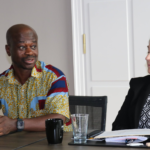
Accra, Ghana. Oct. 25, AGN – African climate negotiators, government officials and technical experts have met in Accra to test whether the global indicators for measuring climate adaptation reflect national priorities and what existing data systems can actually measure.
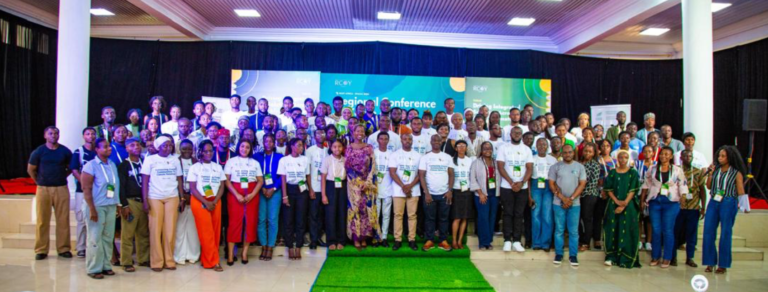
The African Technical Workshop on the Global Goal on Adaptation (GGA) Indicators ran from 22 to 24 October 2026 at the West African Genetic Medicine Centre. It brought together negotiators, officials and experts alongside representatives of the United Nations University (UNU) and the UN Framework Convention on Climate Change (UNFCCC).
Ghana is the pilot country. The exercise compares its National Adaptation Plan and sector priorities with the 59 Belém Adaptation Indicators adopted under the GGA process. Its aim is to establish where national priorities align with the indicators, where important outcomes may be missing, and whether the data and institutional arrangements needed for reporting are already in place.
Measuring who is protected
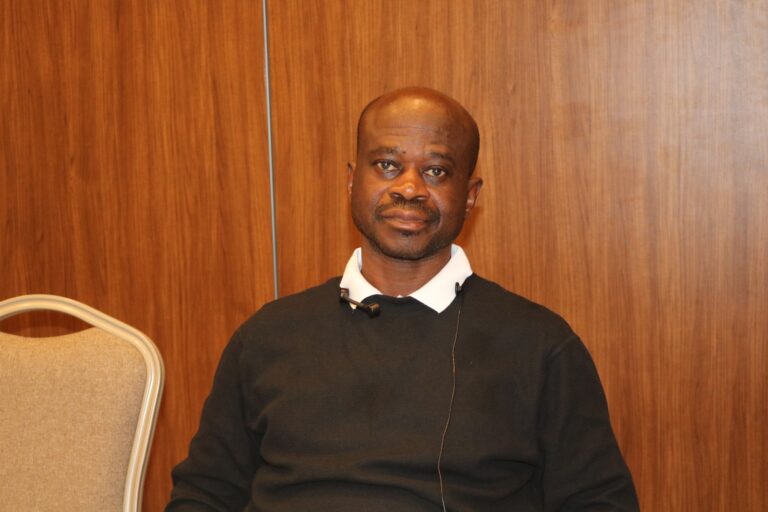
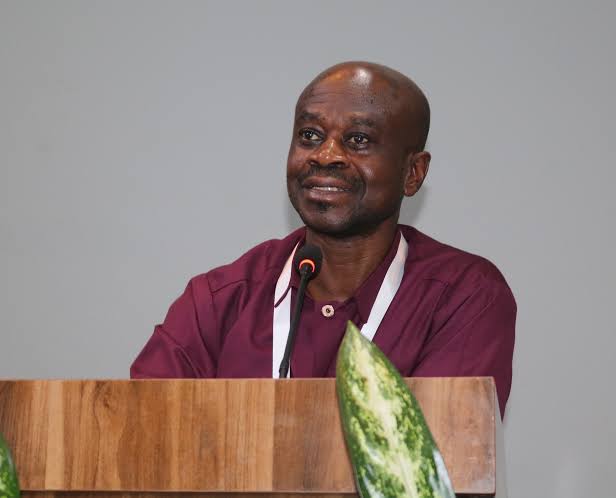
Dr Richard Munang, Director of the UNU Institute for Natural Resources in Africa (UNU-INRA), said adaptation must be judged by its effect on people’s lives rather than by money allocated or spent.
“Adaptation is not what we spend. Adaptation is who we protect,” he told participants.
He linked adaptation outcomes to disaster risk and public health, the two areas the workshop focused on. Poorly maintained drainage, flooded roads and delayed early-warning messages, he said, can stop an ambulance reaching a patient, expose children to waterborne disease, or leave communities without time to prepare.
“We can only say we have adapted if that child who is playing aside today will not end up in a clinic tomorrow,” he said.
Building on what exists
Stella Okoh of Ghana’s Environmental Protection Authority, speaking on behalf of the Chair of the African Group of Negotiators, said the workshop would help institutions identify how existing national reporting systems could be used to track the indicators.
“The conversation is not to create different reporting formats,” she said. The priority, she explained, was to build on existing systems, identify gaps and determine what needed to improve, including whether interventions were actually building resilience.
Dr Revathi Phalkey, Director of the UNU International Institute for Global Health, said the exercise should help countries judge whether their systems can measure progress towards their adaptation ambitions. “What we really need to measure is where do we need to go and how fast we can get there,” she said.
Informing the global process
Motsomi Maletjane of the UNFCCC Secretariat’s Adaptation Division said countries agreed at COP30 to test the indicators voluntarily. The experience from such exercises will inform the development of indicator metadata and methodologies, and assessments of how applicable they are to national circumstances.
“These exercises by Ghana, many other countries that are doing similar exercises are very key to being able to tell how countries can start to work with the indicators,” he said.
An evidence-based African position
Dr Munang said Africa needs evidence showing whether adaptation investments deliver results and whether the global indicators reflect African priorities. Indicators should not be accepted simply because they belong to an international framework, he argued. Where they fall short, countries should be able to demonstrate it and make the case for improvement.
“Africa is not poor. Africa is uncounted,” he said.
The workshop is expected to produce:
Participants will also develop recommendations for closing methodological, institutional, technical and financial gaps, with lessons that other African countries can adapt to test the indicators against their own plans and reporting systems.
END/AGN