Physical Address
Starlets Road, P.O. Box M 326, Accra, Ghana
Physical Address
Starlets Road, P.O. Box M 326, Accra, Ghana
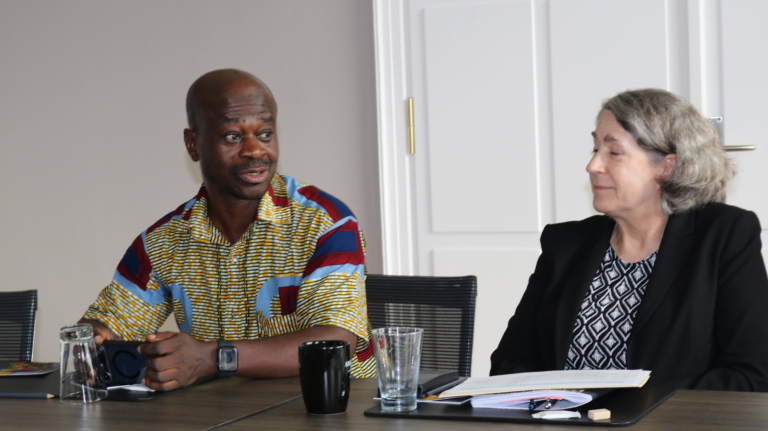
The African Union Commission and the African Group of Negotiators on Climate Change convened a consultative meeting on Climate, Peace and Security in Africa on 3rd June 2026 in Bonn, Germany, ahead of the 64th session of the UNFCCC Subsidiary Bodies, with the participation and support of the United Nations Office to the African Union, GIZ and other partners.
The meeting brought together negotiators, technical experts and representatives from key institutions to discuss Africa’s climate, peace and security priorities and their relevance to climate diplomacy.
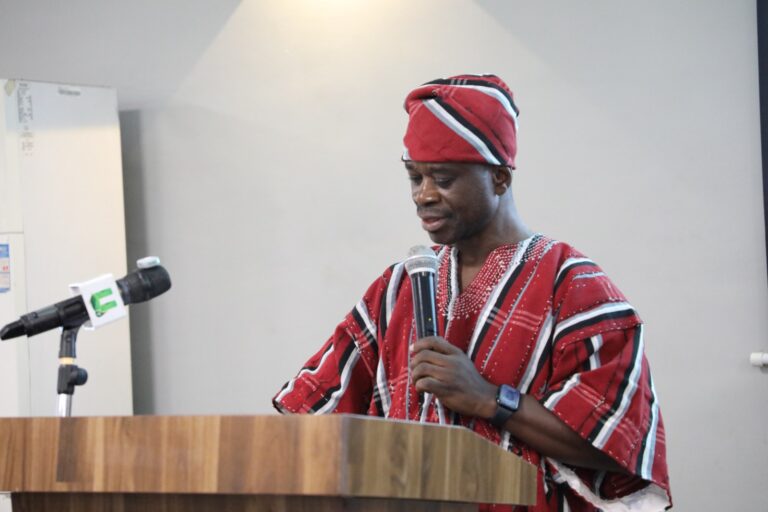
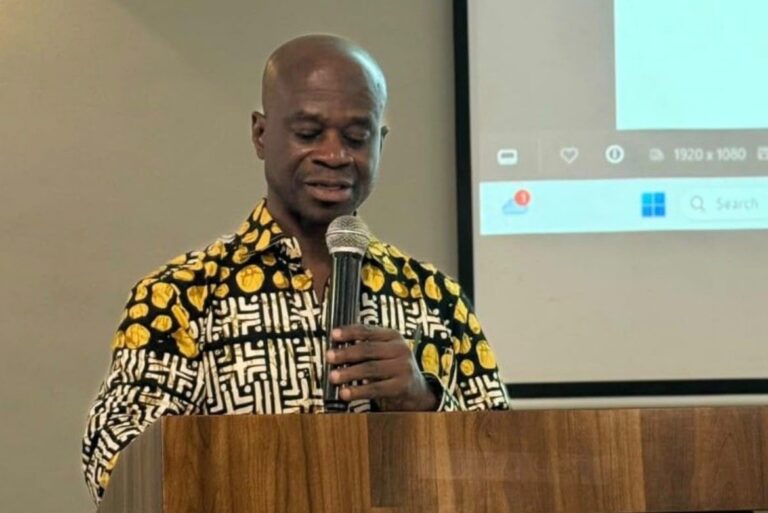
AGN Chair, Nana Dr. Antwi-Boasiako Amoah underscored that “Climate action is not only an environmental imperative; it is a resilience, stability and development imperative for Africa.”
On the Common African Position on Climate Change, Peace and Security, Dr. Amoah reiterated its crucial importance as a continental framework for coherence, enabling Africa to speak with one voice on climate, peace and security.
The Chair further highlighted that Africa is not engaging in climate, peace and security as an abstract policy agenda, but as a lived reality for communities affected by climate shocks, insecurity, displacement, resource pressures and fragility.
On its part, the African Union highlighted the draft Common African Position on Climate Change, Peace and Security as Africa’s emerging pathway to address climate-related peace and security risks, while recognising the diversity of regional and Member State contexts across the continent.
The draft Common Position builds on the Africa Climate Security Risk Assessment and the Report of the Chairperson of the African Union Commission on Climate, Peace and Security. It identifies key pathways through which climate change interacts with peace and security, including livelihood pressures, climate-induced mobility, competition over natural resources, unintended consequences of adaptation and mitigation measures, and the exploitation of climate-related vulnerabilities.
The meeting reaffirmed that the climate, peace and security nexus is a priority for Africa’s climate diplomacy and continental policy engagement. It recognised that while climate change does not directly cause conflict, it can act as a risk multiplier by deepening vulnerabilities and increasing pressure where communities and institutions are already fragile.
Participants therefore underscored that climate, peace and security should be framed as a cross-cutting priority within existing UNFCCC workstreams. In this context, the CAP-CPS provides an important framework for coherent African engagement across adaptation, loss and damage, climate finance, response measures, just transition, transparency, technology, and Africa’s special needs and circumstances.
Participants underscored the importance of climate finance for fragile and conflict-affected contexts, as AGN Chair emphasized:
“Africa needs climate action that is conflict-sensitive, peace-positive and adequately financed. Climate finance must reach the communities facing the greatest climate risks, including those in fragile and conflict-affected contexts.”
The meeting identified four areas for continued engagement: evidence and early warning; finance and implementation; policy coherence across climate, development and peacebuilding processes; and partnerships with the UN system, development partners and research institutions.
Participants further recognised COP31 and COP32 as important opportunities to strengthen African messaging on climate, peace and security and ensure that African climate diplomacy reflects the continent’s lived realities.
The meeting concluded with a shared commitment to continue engagement between the African Union Commission, the African Group of Negotiators, the United Nations Office to the African Union and partners in support of the conclusion and operationalisation of the CAP-CPS, and its integration into African climate diplomacy, policy and implementation pathways.