Physical Address
Starlets Road, P.O. Box M 326, Accra, Ghana
Physical Address
Starlets Road, P.O. Box M 326, Accra, Ghana
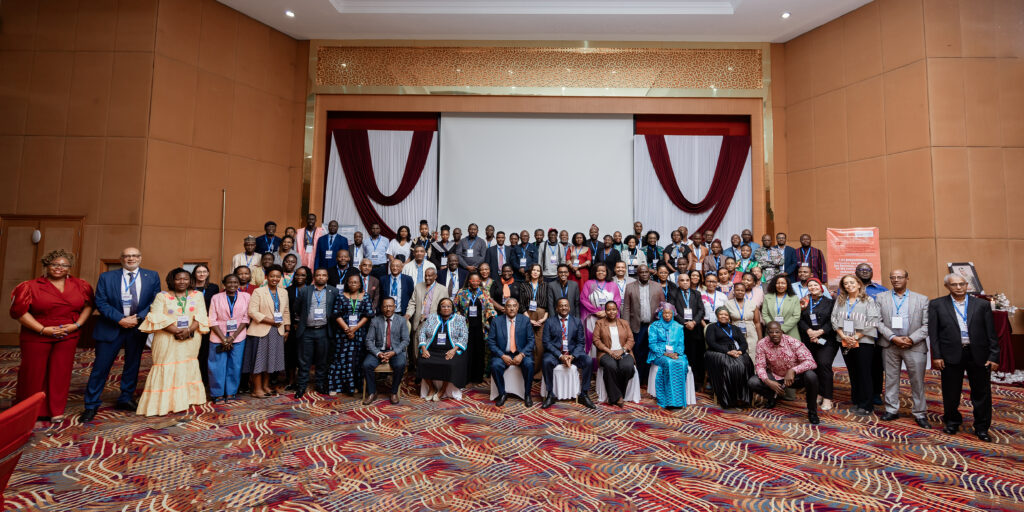
Addis Ababa, Ethiopia Sept. 8, AGN– African leaders, climate negotiators, development partners and civil society actors have opened the 14th Conference on Climate Change and Development in Africa (CCDA-XIV) with a strong call for the continent to move beyond climate vulnerability narratives and take charge of shaping global climate action.
The annual conference, convened by the United Nations Economic Commission for Africa (ECA), the African Development Bank (AfDB) and the African Union Commission (AUC), is expected to produce key policy frameworks that will guide Africa’s engagement at COP31 in Antalya, Türkiye, and help define the continent’s priorities for COP32, which Ethiopia will host in 2027.
Opening the conference at the United Nations Conference Centre in Addis Ababa, ECA Executive Secretary, Claver Gatete, urged African countries to reposition themselves as architects of climate solutions rather than victims of climate change.
Although Africa contributes less than four per cent of global greenhouse gas emissions, it remains among the regions most affected by climate-related disasters. Yet, Gatete cautioned against allowing this reality to define Africa’s global climate identity.
“We must not allow it to limit Africa’s climate story to one of victimhood,” he said.
Gatete noted that while African countries had developed ambitious Nationally Determined Contributions (NDCs) and National Adaptation Plans, implementation remained severely constrained by inadequate financing.
According to him, Africa requires approximately US$277 billion annually through 2030 to implement its climate commitments, but current financing flows cover only about 11 per cent of that requirement.
He called for greater access to grants and concessional financing instead of debt-creating climate instruments and urged African countries to leverage the African Continental Free Trade Area (AfCFTA) to transform the continent’s mineral resources and renewable energy potential into green industrialization and employment opportunities.
African Union Commissioner for Agriculture, Rural Development, Blue Economy and Sustainable Environment, Moses Vilakati, challenged delegates to approach the conference with a proactive mindset.
“The question is not what Africa expects from others, but what Africa is prepared to propose,” he said.
That message resonated strongly with civil society organizations attending the summit.
Executive Director of the Pan African Climate Justice Alliance (PACJA), Mithika Mwenda, warned that the conference must deliver more than statements and declarations.
“CCDA-XIV cannot be another talk shop,” he said, calling for previous commitments to move “from declaration to delivery”.
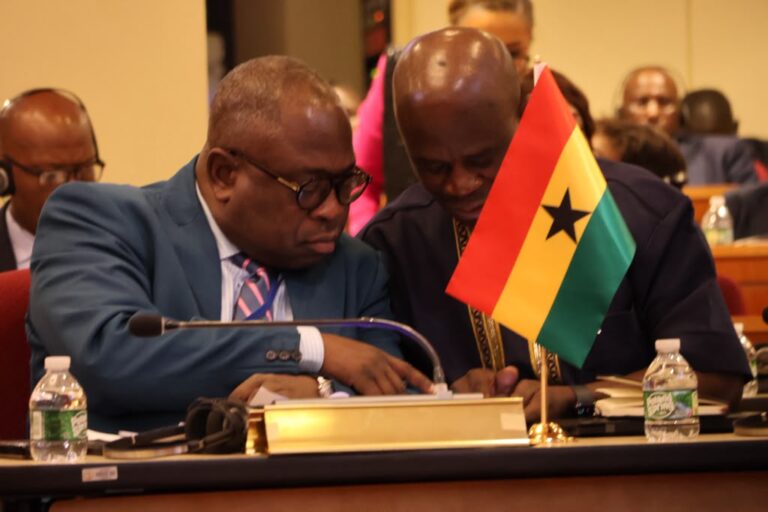
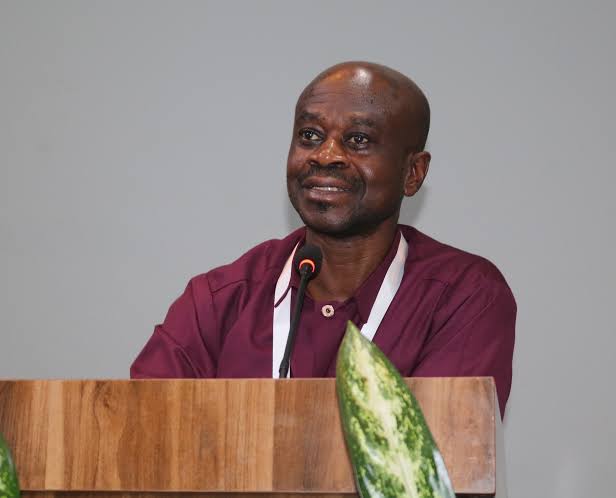
A central moment of the conference was the presentation by Nana Dr. Antwi-Boasiako Amoah, Chair of the African Group of Negotiators (AGN), who outlined a vision for strengthening Africa’s influence within international climate governance.
He argued that genuine African climate leadership would emerge only when the continent stops reacting to externally designed proposals and begins proactively shaping the global agenda through technically robust, evidence-based and unified positions.
According to Dr. Amoah, the AGN plays a critical role in consolidating the interests of Africa’s 54 countries into common negotiating positions through a three-tier system that links technical experts, ministers and heads of state.
He identified four pillars for enhancing Africa’s climate agency: reshaping global climate narratives around equity and sustainable development; increasing African influence within major climate finance institutions and decision-making structures; advancing fair and equitable climate governance principles; and ensuring developed countries meet their legal obligations under international climate agreements.
Dr. Amoah also revealed plans for an African Common Platform, a long-term framework intended to safeguard the continent’s development interests while advancing climate action.
The platform seeks to reject any perceived trade-off between development and climate action, arguing that Africa must retain sufficient policy space to industrialize, expand green value chains and eradicate poverty while pursuing climate goals.
He said the continent must also strengthen its engagement with global trade, finance and technology systems to secure greater local content participation and increased integration into emerging green economy supply chains.
Looking ahead, Dr. Amoah described COP31 in Antalya as a critical stepping stone toward an African-led COP32. He said the AGN intends to use the Ethiopia summit to advance demands for climate justice, close the adaptation finance gap and present implementation-ready African initiatives backed by clear financing and delivery frameworks.
As discussions continue through September 9, delegates are expected to finalize a strategic framework for COP31 and adopt a unified African Common Position that will guide the continent’s climate diplomacy over the coming years.
For many participants, the conference represents more than a preparatory meeting. It is a test of Africa’s ability to transform decades of climate commitments into actionable programmes capable of delivering resilience, sustainable development and economic opportunity for millions across the continent.
END/AGN