Physical Address
Starlets Road, P.O. Box M 326, Accra, Ghana
Physical Address
Starlets Road, P.O. Box M 326, Accra, Ghana
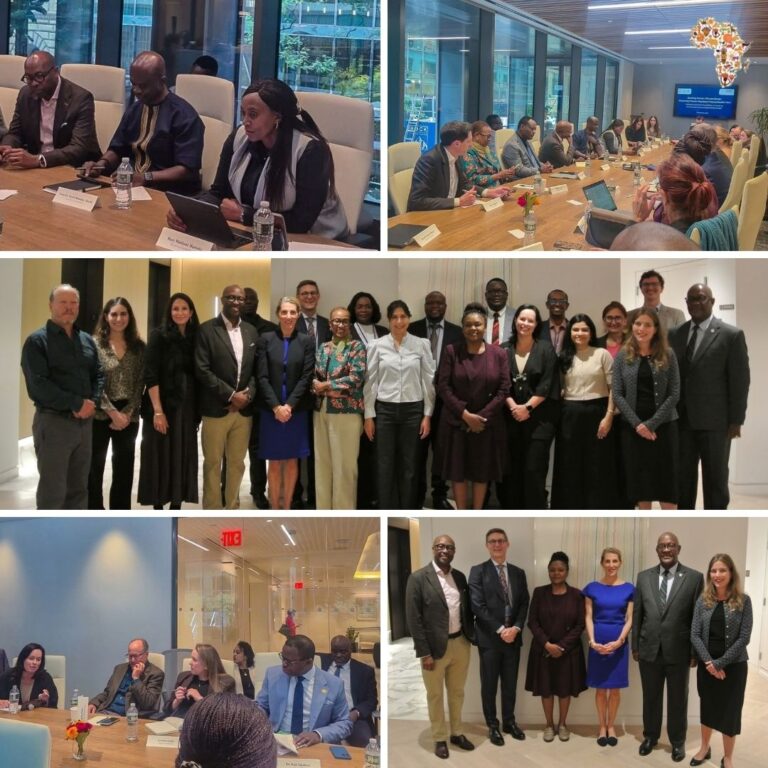
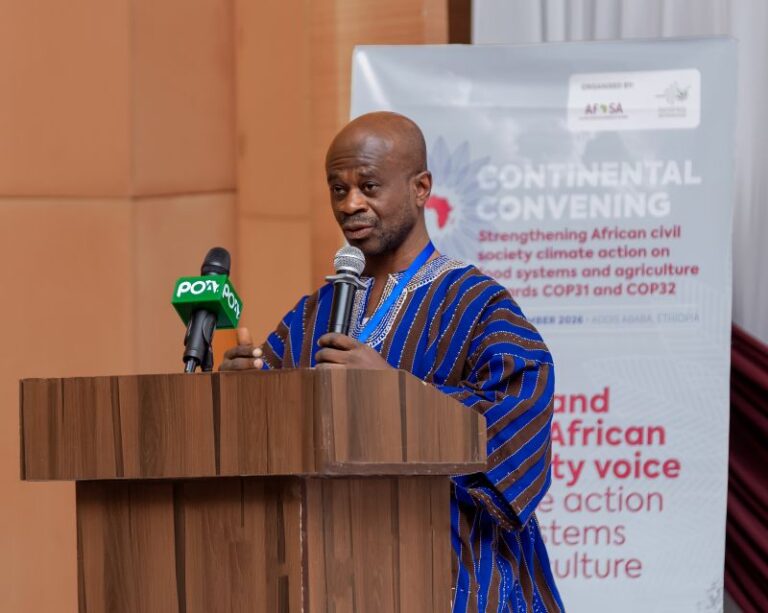
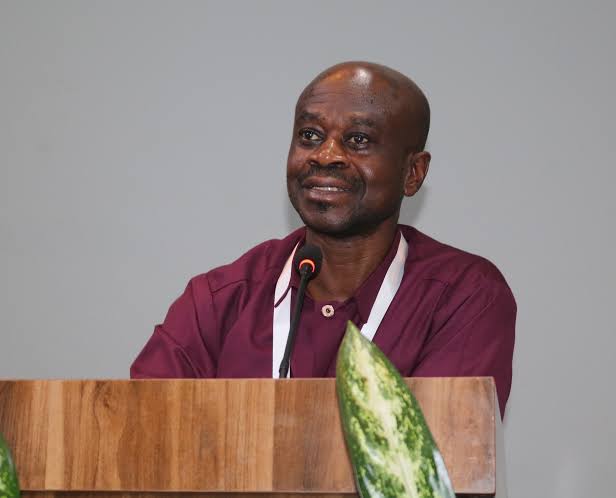
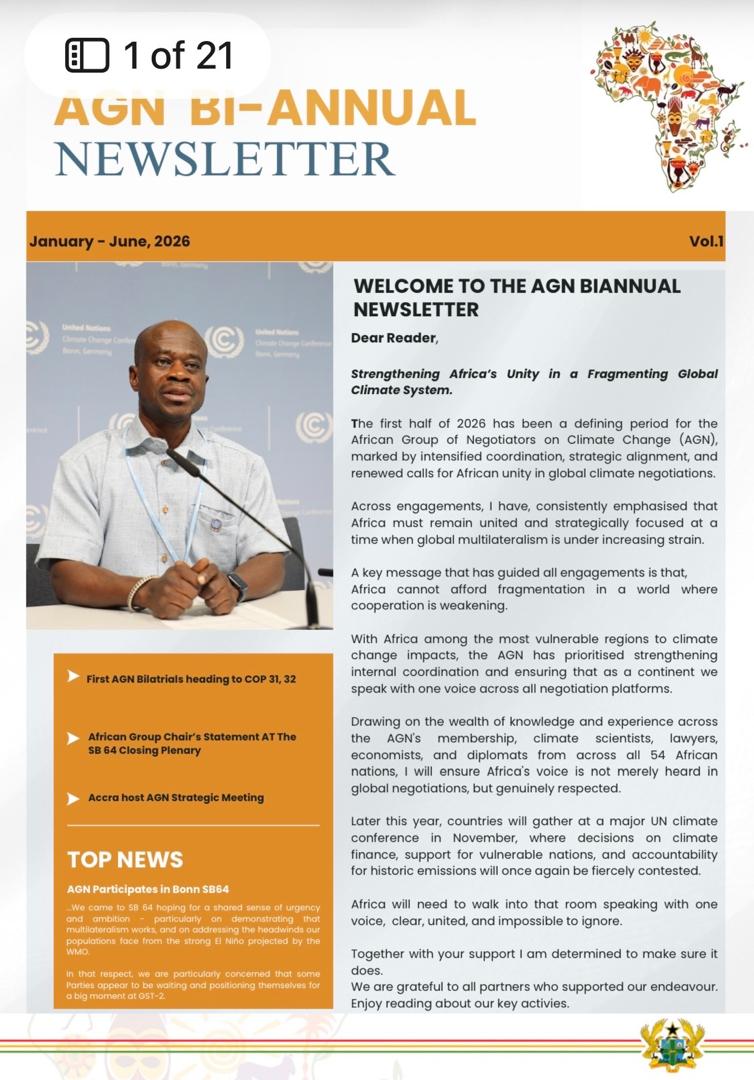
New York, USA, Sept. 23, AGN– Africa must strengthen its influence in global climate negotiations by shaping international agendas rather than merely responding to proposals developed elsewhere, Nana Dr. Antwi-Boasiako Amoah, Chair of the African Group of Negotiators (AGN) on Climate Change, has said.
Presenting updates from the 64th Sessions of the UN Climate Change Subsidiary Bodies (SBs64) and outlining Africa’s priorities for COP31, Dr. Amoah warned that the global climate landscape was becoming increasingly complex amid rising nationalism, climate denial, geopolitical tensions and declining climate finance. These trends, he said, were weakening multilateral cooperation and slowing progress toward global climate goals.
He noted that Africa continues to bear a disproportionate share of climate impacts despite contributing minimally to global greenhouse gas emissions. The continent is experiencing worsening droughts, floods, food insecurity, displacement and energy shortages, exacerbated by extreme weather events and the lingering effects of the Super El Niño phenomenon. At the same time, international climate finance is shrinking even as developing countries’ adaptation needs continue to rise.
According to Dr. Amoah, commitments under the United Nations Framework Convention on Climate Change (UNFCCC) and the Paris Agreement are weakening, while current Nationally Determined Contributions (NDCs) place the world on a warming pathway of approximately 2.7 degrees Celsius. He pointed to declining replenishment levels for the Global Environment Facility and reduced pledges to the Green Climate Fund as evidence of growing financing challenges.
Against this backdrop, the AGN is positioning adaptation as a central African priority at COP31 in Antalya, Türkiye.
Dr. Amoah said Africa would seek progress on operationalising the Global Goal on Adaptation, advancing the Just Transitions Mechanism, strengthening implementation of climate finance commitments and ensuring a balanced launch of the second Global Stocktake under the Paris Agreement. He emphasized that adaptation, climate finance, loss and damage, and means of implementation must receive the same level of attention as mitigation efforts.
The AGN also wants COP31 to advance implementation of the New Collective Quantified Goal on Climate Finance and improve access to predictable and adequate public finance for developing countries. Africa is pushing for concrete steps to fulfil developed countries’ obligations to provide financial resources while ensuring that adaptation finance remains visible and adequately supported.
On climate governance, Dr. Amoah stressed the need to safeguard Africa’s development space as negotiations advance. He said mechanisms relating to just transitions, trade and climate action must not undermine the continent’s industrialisation ambitions, energy access goals or broader development priorities.
Looking beyond Antalya, he described COP31, COP32 and COP33 as a connected political cycle that should strengthen Africa’s agency within the multilateral climate process.
“COP31 should establish the foundations, COP32 should consolidate progress, and the process must deliver balanced outcomes across adaptation, finance, mitigation and sustainable development,” he indicated.
The AGN is supporting the development of a coherent African position across the three Conferences of the Parties to ensure that climate action aligns with the continent’s priorities, including adaptation, energy access, economic transformation and industrialisation. Ethiopia’s expected presidency of COP32 presents a major opportunity for Africa to advance its interests and translate global commitments into tangible implementation outcomes.
As preparations intensify for COP31, African negotiators are expected to focus on securing stronger outcomes on adaptation, climate finance, just transitions and loss and damage while reinforcing Africa’s role as an influential voice in shaping the future of global climate governance.
END/AGN