Physical Address
Starlets Road, P.O. Box M 326, Accra, Ghana
Physical Address
Starlets Road, P.O. Box M 326, Accra, Ghana
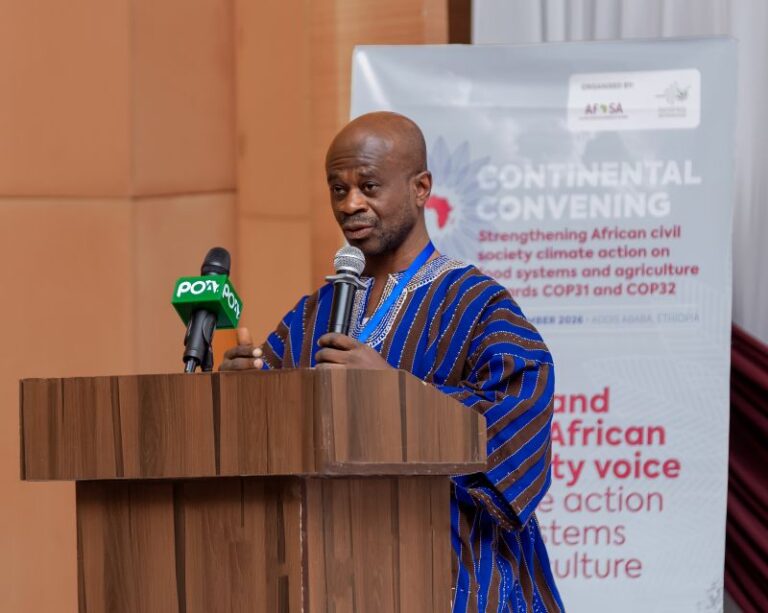
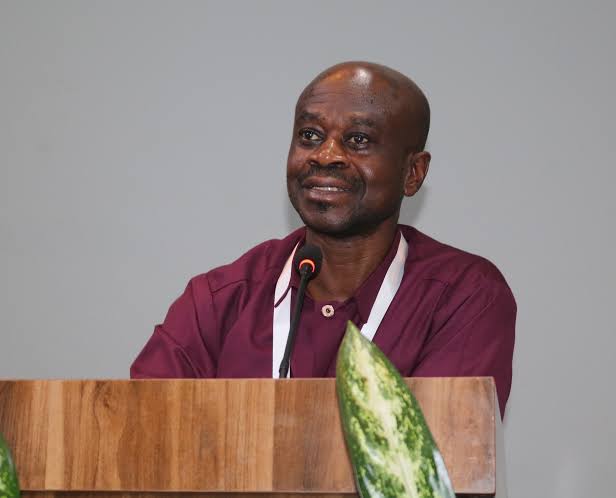
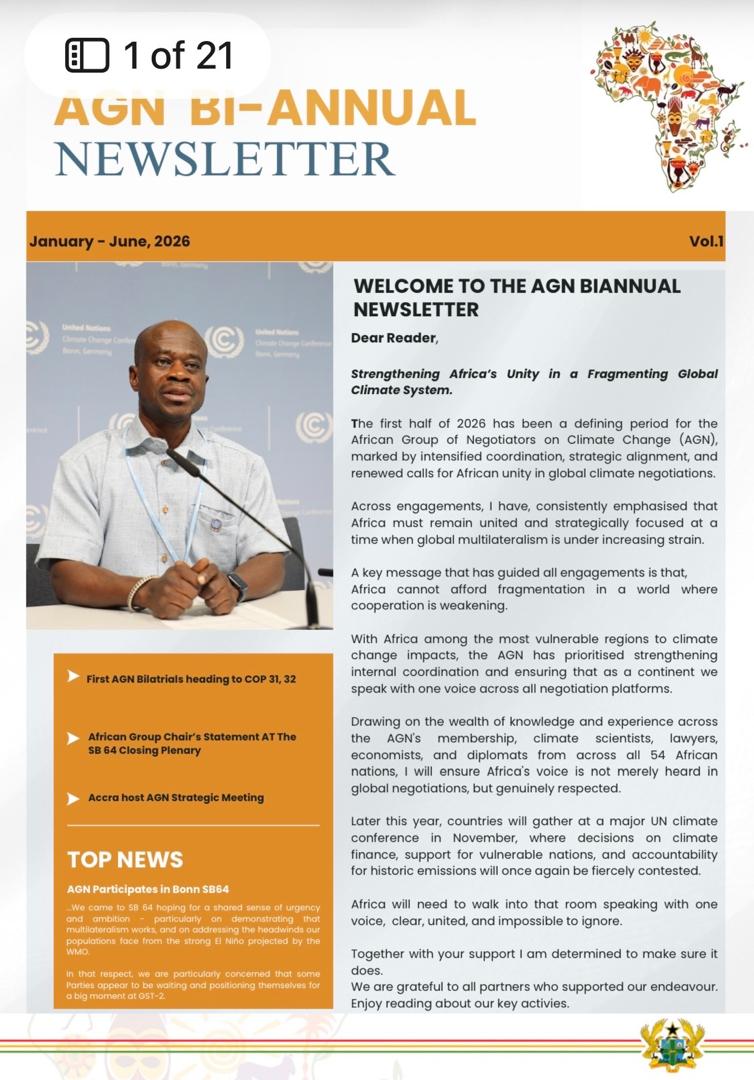
Accra, Ghana Sept. 28, AGN– African countries must move beyond counting climate adaptation projects and begin measuring whether those interventions are genuinely reducing vulnerability and strengthening resilience among farmers and communities most exposed to climate change, Chair of the African Group of Negotiators (AGN) on Climate Change, Nana Dr. Antwi-Boasiako Amoah, has said.
Addressing a stakeholder engagement workshop on strengthening inclusive climate adaptation tracking and reporting in Ghana’s agriculture sector, Dr. Amoah said the continent faces a critical moment as countries seek to operationalise the Global Goal on Adaptation (GGA) and demonstrate that climate investments are delivering tangible benefits to people.
He stressed that adaptation had become Africa’s foremost climate priority because the continent continues to bear the brunt of climate impacts despite contributing the least to global greenhouse gas emissions.
“The impacts of climate change are increasingly shaping decisions across our economies and communities,” he said. “In agriculture, changing rainfall patterns and rising temperatures are affecting planting seasons, productivity and livelihoods. These realities remind us that adaptation must ultimately be measured by the difference it makes in people’s lives.”
The workshop, supported by the Alliance of Bioversity International and CIAT, AGNES, the University of Cape Town, the CGIAR Climate Action Programme and Ghanaian institutions, focused on strengthening systems for tracking adaptation progress in agriculture and ensuring climate reporting reflects the experiences of vulnerable populations.
Dr. Amoah said the discussion was relevant not only for Ghana but for the entire continent, where governments are increasingly under pressure to demonstrate that adaptation investments are translating into stronger resilience at community level.
Across Africa, he noted, governments are investing in climate-resilient crops, irrigation systems, climate information services, natural resource management and livelihood diversification programmes. However, questions remain about how effectively these interventions are reducing climate risks and improving long-term resilience.
“As governments, it is no longer sufficient to demonstrate that adaptation activities are being implemented,” he said. “We must also be able to show whether those interventions are reducing vulnerability, strengthening resilience and reaching the people and communities that need them most.”
The AGN Chair linked the discussions directly to ongoing global climate negotiations, where African countries have consistently demanded greater political attention, implementation support and finance for adaptation.
For years, Africa has argued that adaptation should receive the same level of priority as mitigation under the Paris Agreement. That call gained momentum with the adoption of the Belém Adaptation Indicators at COP30, which are intended to help countries track progress under the Global Goal on Adaptation.
But Dr. Amoah cautioned that the success of the indicators would depend on whether they help countries improve resilience on the ground rather than become another reporting obligation.
“Their value will be determined by whether they help countries improve adaptation on the ground,” he said.
He warned against imposing one-size-fits-all approaches to adaptation measurement, emphasizing that African countries face different vulnerabilities, ecological conditions and development realities.
“Adaptation must remain country-driven and responsive to national and local realities,” he added.
According to Dr. Amoah, many African countries are confronting the same challenge: how to strengthen adaptation metrics, report effectively under the Enhanced Transparency Framework and operationalise the Global Goal on Adaptation without placing additional burdens on already constrained institutions.
He said Ghana’s experience could provide valuable lessons for the rest of the continent and help shape Africa’s collective position in international climate negotiations.
“What is being tested here in Ghana now also has broader African significance,” he noted. “Across the continent, countries are grappling with similar questions about how to operationalise the Global Goal on Adaptation and strengthen adaptation reporting systems.”
The AGN Chair called for stronger links between national implementation efforts and international negotiations, arguing that climate diplomacy must be informed by realities on the ground.
“Negotiations should be informed by implementation realities, and international decisions must, in turn, translate into practical support for implementation at national and local levels,” he said. “The negotiating room and the farmer’s field cannot exist as two separate worlds.”
He also stressed the importance of ensuring that adaptation monitoring systems capture the experiences of women, youth, persons with disabilities and marginalised communities, who often face distinct climate vulnerabilities and barriers to accessing adaptation support.
Without such data, he warned, national reports could suggest progress while vulnerable populations continue to be left behind.
As Africa prepares for COP31 in Antalya, Türkiye, later this year and an African-hosted COP32 in Ethiopia in 2027, Dr. Amoah said credible adaptation data and transparent reporting systems would be critical to strengthening the continent’s case for increased climate finance.
He urged participants to focus on building sustainable adaptation information systems that not only support international reporting requirements but also improve national planning, guide investments and demonstrate the value of adaptation spending.
“Africa has consistently called for adaptation to move from promises to action,” he said. “But action must also deliver results. We need to know whether our efforts are reducing vulnerability, building resilience and making a real difference in the lives of those most affected by climate change.”
For Africa, he said, the credibility of the global adaptation agenda will ultimately be measured not by the number of indicators developed but by whether farmers, rural communities and vulnerable populations become more resilient to the growing impacts of climate change.