Physical Address
Starlets Road, P.O. Box M 326, Accra, Ghana
Physical Address
Starlets Road, P.O. Box M 326, Accra, Ghana
Accra ,Ghana, Sept. 28, AGN – African countries have been urged to move beyond counting adaptation activities and show whether climate interventions in agriculture are reducing vulnerability and building resilience among farmers.
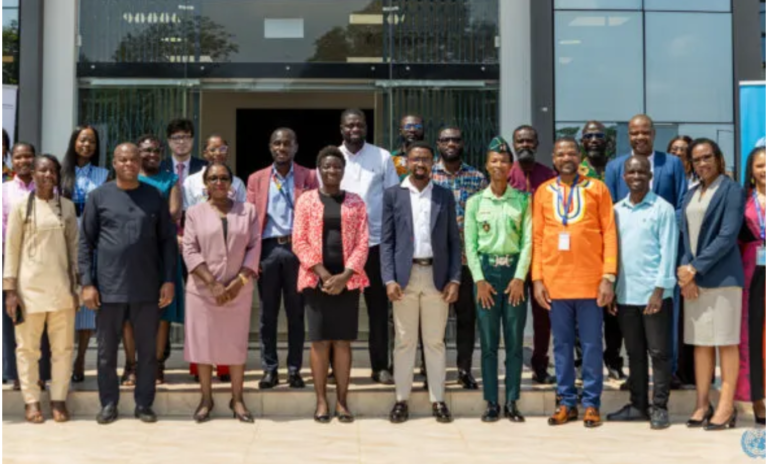
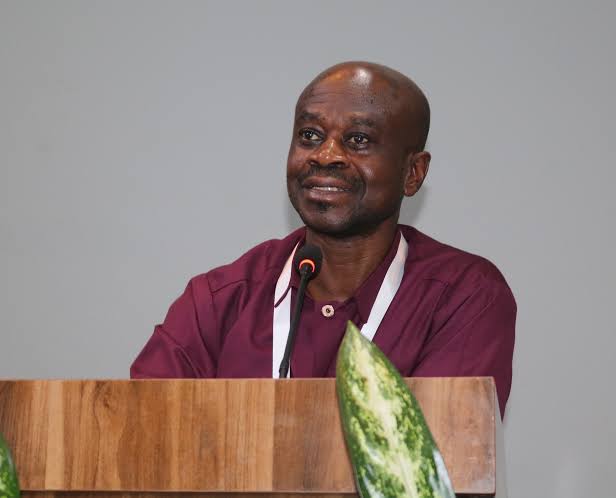
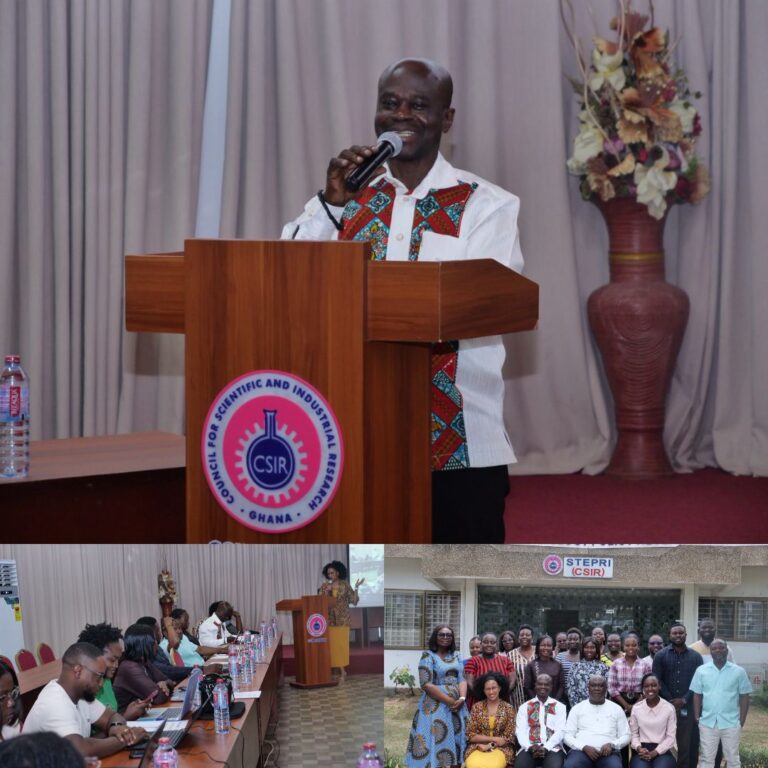
Nana Dr. Antwi-Boasiako Amoah, Chair of the African Group of Negotiators (AGN) on Climate Change, made the call at a three-day stakeholder workshop on strengthening inclusive climate adaptation tracking and reporting in Ghana’s agriculture sector in Accra.
He said it was no longer enough for governments to show that adaptation activities were being implemented. “We must also be able to show whether those interventions are reducing vulnerability, strengthening resilience and reaching the people and communities that need them most,” he said.
Dr Antwi-Boasiako Amoah disclosed that Ghana’s third Nationally Determined Contribution (NDC 3.0) had yet to be submitted to the UN Framework Convention on Climate Change (UNFCCC). He said the technical work had been concluded and the document was awaiting political approval.
He said Ghana already had a strong policy foundation, including the National Climate Change Policy, the National Climate Change Adaptation Strategy, the National Adaptation Planning Framework, the 2021 Updated NDC and the National Adaptation Plan.
Agriculture, he noted, features prominently in these frameworks because the sector depends heavily on rainfall and is dominated by smallholder farmers who are sensitive to changes in temperature, rainfall, drought, floods and pests.
One system, not another
The AGN Chair said the aim should not be to create another reporting system but to strengthen and connect existing ones. He said the Belém Adaptation Indicators, adopted under the Global Goal on Adaptation, should complement Ghana’s NAP monitoring framework, NDC, agriculture-sector indicators, national statistics, district-level information and the Enhanced Transparency Framework, without duplication or added reporting burdens.
He said the value of the indicators would be determined by “whether they help countries improve adaptation on the ground”, not by how many exist internationally.
Dr Antwi-Boasiako Amoah described Ghana’s preparation of its Second Biennial Transparency Report (BTR2) as a timely opportunity to make these connections. He said good reporting begins long before the report is written and requires clear institutional responsibilities, agreed indicators and methodologies, reliable baselines, consistent data collection and effective data flows from district and sector levels into national systems.
Gender and social inclusion
He commended the workshop for placing Gender Equality and Social Inclusion at the centre of the discussions. Women, young people, persons with disabilities and marginalised communities, he said, may face different barriers to land, finance, inputs, extension services and technology. If monitoring systems do not capture these differences, he warned, reports “may show progress while important groups remain behind”.
Expected outcomes
The AGN Chair said participants should leave with a clearer picture of Ghana’s adaptation data and capacity gaps, the roles of institutions responsible for agricultural adaptation information, and how existing indicators align with the Belém Adaptation Indicators. They should also make progress on an agriculture adaptation reporting template and agree on next steps, responsibilities and timelines.
He said the systems built should serve Ghana’s NAP, future NDCs and Biennial Transparency Reports, and help make a stronger case for adaptation finance.
He added that what is being tested in Ghana has wider African significance, and urged stronger links between national systems and international negotiating positions. “The negotiating room and the farmer’s field cannot exist as two separate worlds,” he said.
The workshop is organised by the Alliance of Bioversity International and CIAT, the AGN Expert Support, the University of Cape Town and the CGIAR Climate Action Programme, working with the Environmental Protection Authority (EPA) and CSIR/STEPRI.
It brings together representatives from the ministries of Environment, Science and Technology, Finance, Gender, and Food and Agriculture, the Ghana Statistical Service, NADMO, the Ghana Hydrological Authority, the Water Resources Commission, the Forestry Commission and GMET.
END/AGN