Physical Address
Starlets Road, P.O. Box M 326, Accra, Ghana
Physical Address
Starlets Road, P.O. Box M 326, Accra, Ghana
NAIROBI, Kenya Oct. 13, AGN– The Chair of the African Group of Negotiators (AGN) on Climate Change has called for COP31 in Antalya to focus on delivery rather than another cycle of promises, as African negotiators met in Nairobi to finalise their strategy for the summit.
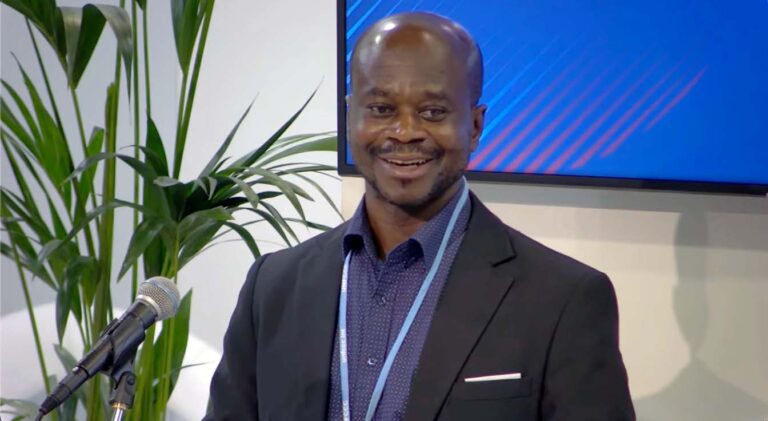
Speaking at the AGNES Pre-COP31 Strategy Meeting, the AGN Chair said the credibility of the climate process is increasingly being judged by one question: can it deliver?
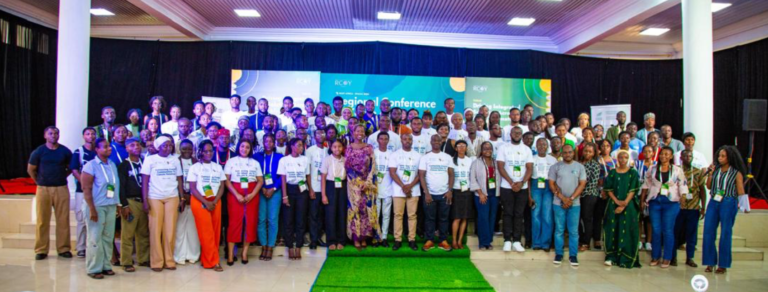
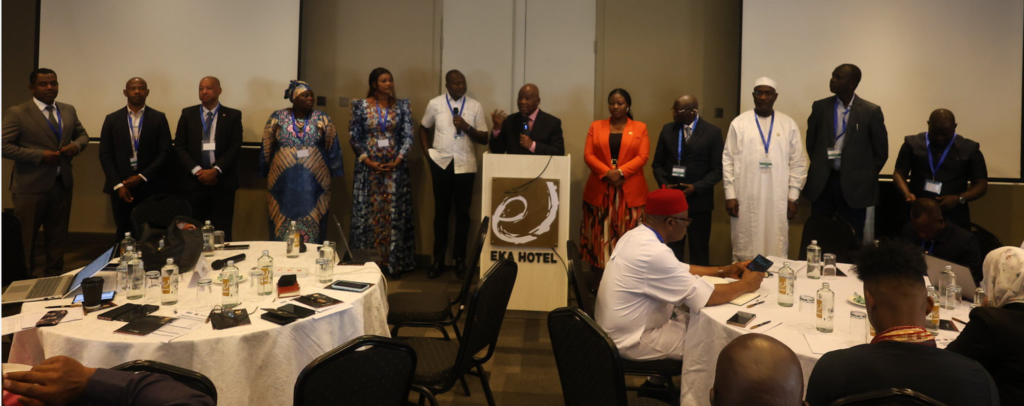
The two-day meeting brought together African negotiators, parliamentarians, UNFCCC regional representatives, partners and the media. The Chair thanked the African Group of Experts and Negotiators Support (AGNES) for serving as a technical anchor on agriculture and gender within the UNFCCC process.
From decisions to implementation
The Chair noted that Africa has helped shape decisions on agriculture, gender, adaptation, finance, loss and damage, and just transition. The challenge now, he said, is what happens after they are adopted.
He asked whether those decisions create the conditions for countries to implement their National Adaptation Plans (NAPs) and Nationally Determined Contributions (NDCs), unlock finance at the required scale and terms, strengthen national institutions, and leave African countries with more policy and fiscal space.
COP31 is being positioned as an implementation COP, and for Africa that must mean more than calls for countries to do more, he said. It must mean accessible finance, deployable technology, stronger national capacity and adaptation plans that can move “from paper to investment”, while delivering on commitments already made under the Convention and the Paris Agreement.
B2A2A: Belém to Antalya to Addis Ababa
The Chair urged African delegations to see a clear continuum from COP30 in Belém, to COP31 in Antalya, to COP32 in Addis Ababa, which he framed as “B2A2A”. Africa should not arrive in Addis Ababa in 2027 carrying unresolved issues that could have been advanced in Antalya, he said.
COP32 in Ethiopia, he added, should not simply be an African COP but a moment when Africa helps shape the direction of the global climate process.
Finance and loss and damage
The Chair said Africa’s energies at COP31 should go towards ensuring the negotiations deliver predictable and scalable grant-based climate finance for adaptation.
“Africa is not asking for charity,” he said. “We are asking for an international financial architecture capable of responding fairly to a global problem for which responsibility and vulnerability are profoundly unequal.”
He also urged African countries to strengthen their own capacity to turn NDCs, NAPs and long-term strategies into credible investment pipelines.
On loss and damage, he called for sustained pressure, noting that communities across the continent face impacts they can no longer adapt to, including lost homes, disappearing productive land, destroyed livelihoods and threatened cultural heritage. The Fund for Responding to Loss and Damage must be accessible, adequately resourced and responsive, he said, and its success should be measured by whether support reaches those who suffer losses they did little to cause.
Just transition and trade
The Chair said Africa supports the global shift to low-emission, climate-resilient development, but no single template fits. A just transition, he said, must recognise energy access, poverty eradication, food security, decent jobs, industrialisation and the right to development, as millions of Africans still lack modern energy and clean cooking.
He warned that Africa cannot simply export raw materials for the global transition while importing finished technologies at far higher value. “The transition must create value in Africa, build industries in Africa, strengthen skills in Africa, and create jobs for Africans,” he said. “That is part of climate justice too.”
He also cautioned that climate policy is increasingly intersecting with trade, investment, critical minerals, agriculture and industrial policy. The AGN, he said, must insist that climate action does not become a new basis for protectionism, and must scrutinise unilateral measures and emerging standards for their effects on African economies.
Evidence as negotiating power
The Chair said strong political positions need strong technical foundations. African negotiators need evidence that is “African, current and capable of standing up to scrutiny”, he said, from adaptation costs and measurable indicators to data on jobs, energy access and industrialisation. He called for stronger links between African universities, research institutions, policymakers and negotiators, and described the AGNES-AGN partnership as central to this.
He asked participants to leave Nairobi with a clear strategy connecting gender, agriculture, adaptation, finance, loss and damage, just transition and means of implementation, and to settle what the future of agriculture within the UNFCCC should be after COP31.
“Success in Antalya will not be measured by how often Africa speaks, but by how effectively Africa shapes the outcome,” he said. “Africa must not simply be present at the table. Africa must help shape what comes out of the room.”