Physical Address
Starlets Road, P.O. Box M 326, Accra, Ghana
Physical Address
Starlets Road, P.O. Box M 326, Accra, Ghana
The programme will support urban planning, climate risk assessments and the preparation of projects to protect poor communities from floods, extreme heat and other climate threats.
Ten African countries are to receive US$7.6 million in support to strengthen their preparedness for climate change, with particular attention to poor and underserved communities in cities and towns.
The funding, approved by the Green Climate Fund (GCF), will support the Building Climate Resilience of the Urban Poor (BCRUP) Regional Readiness Project, which aims to help participating countries prepare practical solutions to growing climate threats.
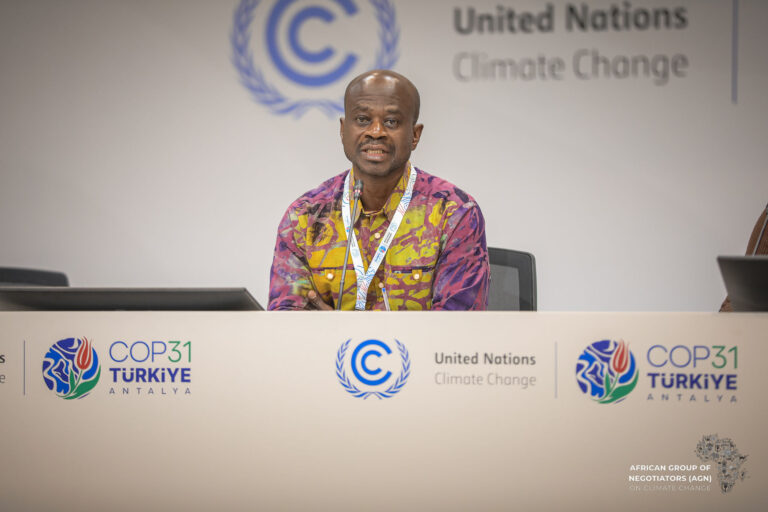
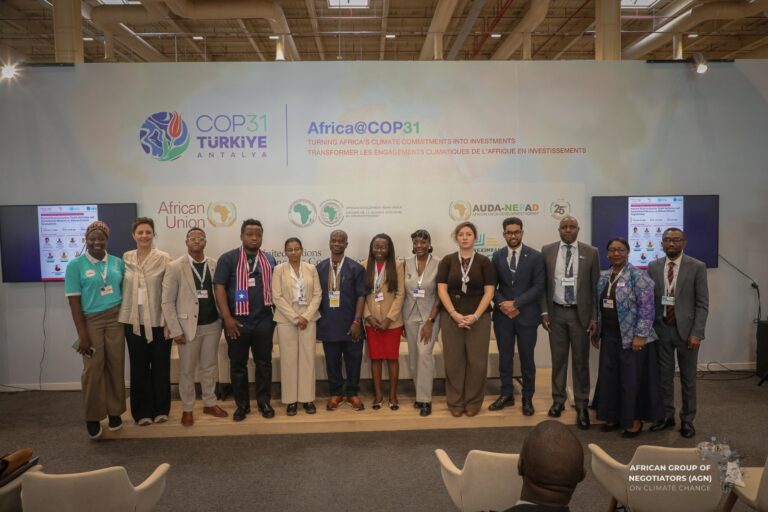
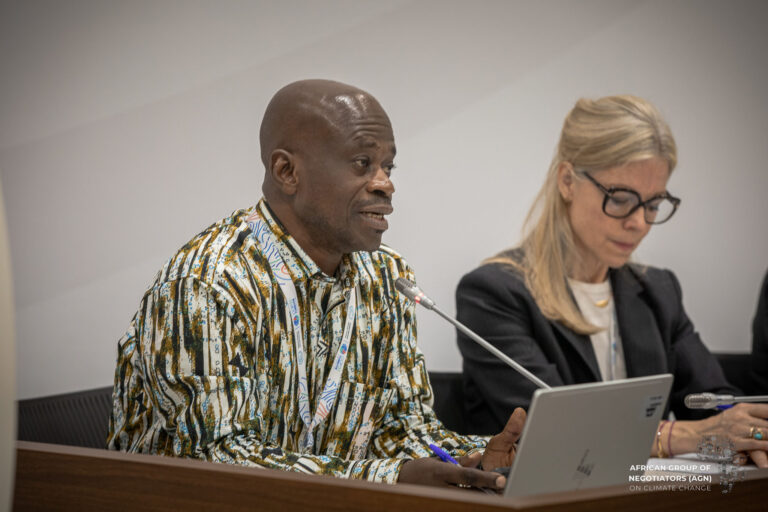
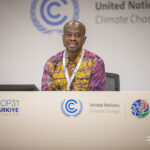
Nana Dr Antwi-Boasiako Amoah, Chairperson of the African Group of Negotiators on Climate Change, announced this at the launch of the project during the 31st United Nations Climate Change Conference (COP31) in Antalya, Türkiye.
He said the programme would strengthen the ability of governments and local authorities to identify vulnerable communities, improve urban planning and prepare projects capable of attracting additional climate finance.
African cities and towns are increasingly exposed to floods, extreme heat, water shortages and environmental degradation.
People living in informal settlements and underserved neighbourhoods are often the most affected because they have fewer resources to protect themselves and recover from climate-related disasters.
Dr Amoah said the project would help address these challenges by connecting national climate commitments with the realities facing communities.
It would support countries to gather reliable information on climate risks, strengthen coordination among government institutions and local authorities, and develop plans for more resilient cities.
The programme would also help municipalities prepare community-based adaptation plans and investment proposals that could attract further funding.
Dr Amoah stressed the importance of involving local communities in deciding which areas and projects should receive attention.
He said residents understood the challenges facing their neighbourhoods and should therefore have a voice in identifying risks and developing solutions.
The project would be country-led and take into account the different needs of large cities, smaller towns and municipalities.
He said its success would depend on participating countries taking ownership of the process and ensuring that plans developed under the programme were translated into action.
The African Group of Negotiators, Dr Amoah said, was ready to work with the Government of Kenya and the BCRUP Secretariat to implement the initiative and support its expansion.
He said African countries needed to move beyond climate commitments and focus on preparing practical projects and securing the resources required to protect vulnerable communities.
He expressed hope that COP32, scheduled to take place in Addis Ababa, Ethiopia, in 2027, would provide an opportunity to extend the programme to more African countries and cities.